Local conditions
In half of inner Brisbane, the best shading option is the one you cannot put on the front of the house
The Overlay Decides Before The Fabric Does
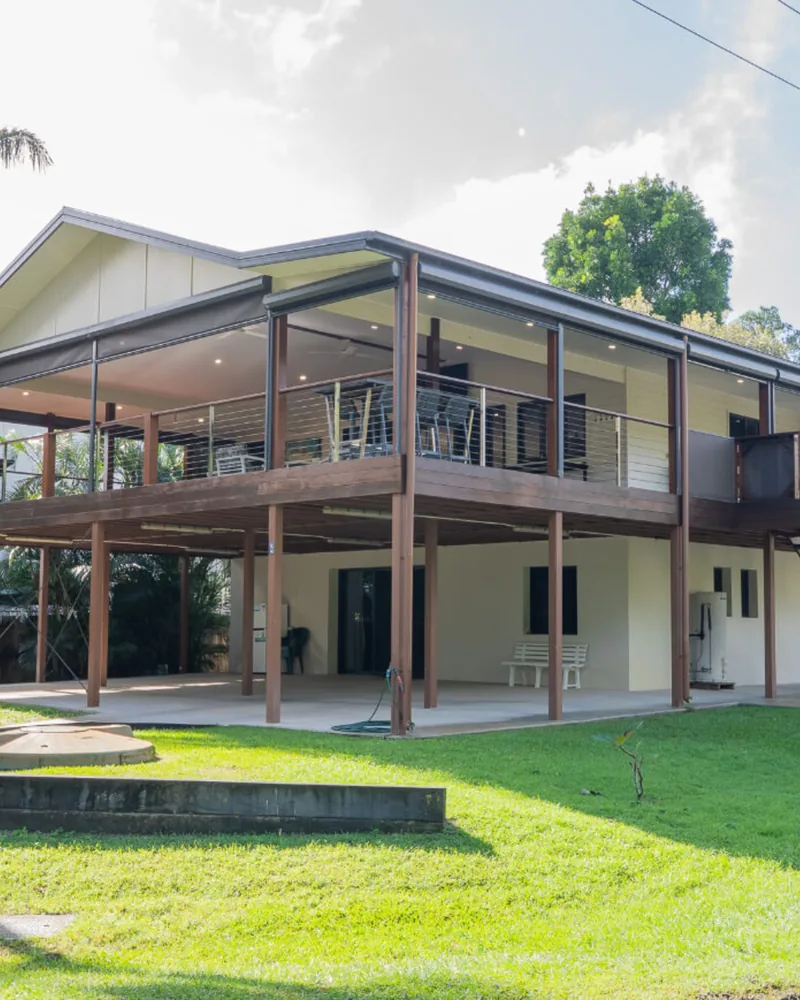
Brisbane City Council maps a traditional building character overlay across the pre-1946 housing in the inner suburbs — Paddington, Bulimba, New Farm, Ascot, Clayfield, Red Hill, Camp Hill and a good deal more besides. It governs what happens to the traditional form of those houses from the street: the original roof shape stays, the verandah stays, a low-set house stays low-set, and external materials have to sit with what was there in 1946. Council publishes the rules on its own heritage and character pages. Bolting an external screen or a folding arm awning across the street face of one of those houses is not a small thing, and on some of them it is not a conversation anyone wants to start. That is the honest argument for putting a reflective fabric on the inside of the glass instead, and it is an argument that only applies to certain houses.
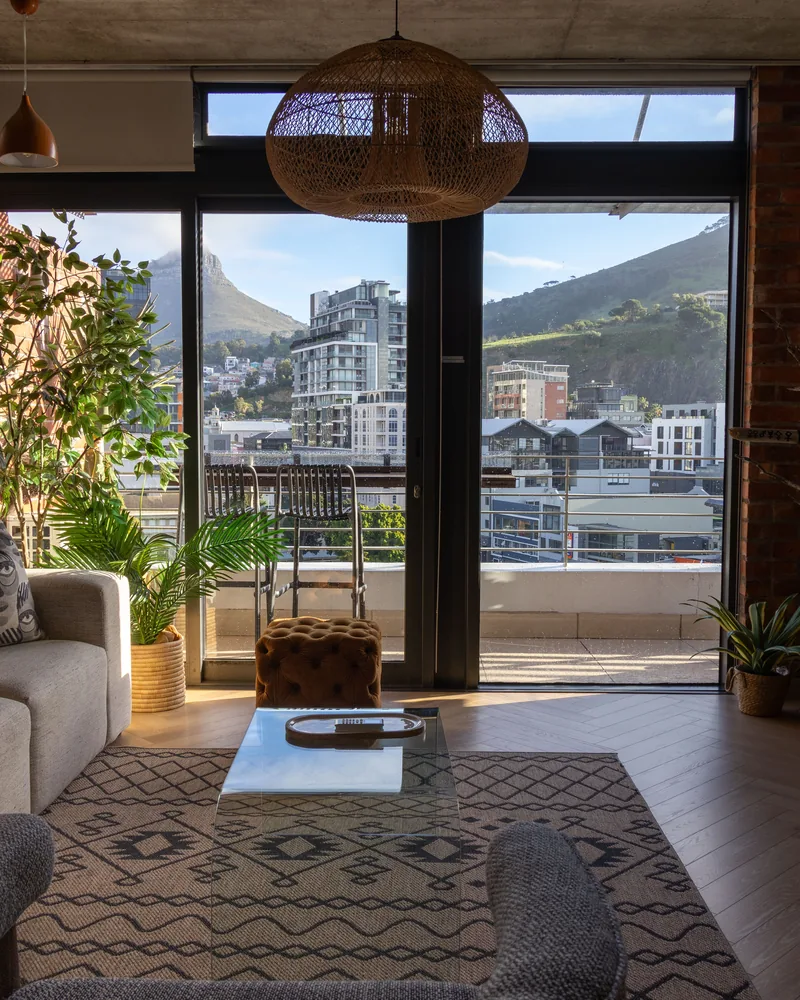
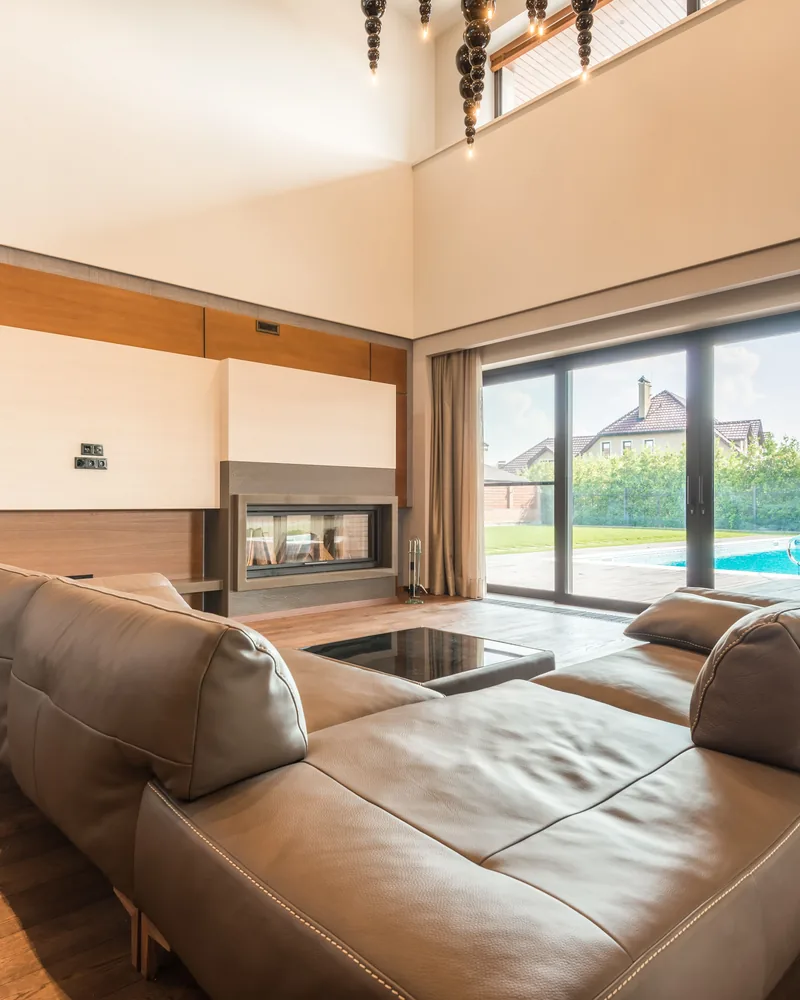
The second half of it is where the sun actually lands. The deep verandah on a character house is on the front, because that is where the overlay wanted it, and the room that cooks is almost always the extension at the back — the one with the wall of glass onto the deck, facing west or north-west because that is where the yard is. There is usually nothing over that glass at all. Where there is an eave, it was sized for a summer noon, and the sun that ruins the room arrives at four in the afternoon, underneath it.
So you end up with a house that has a beautiful verandah on the side that was never the problem, and a room nobody sits in after three.