Local conditions
Light off the water behaves differently
It Comes In Under The Blind
The City of Gold Coast puts it plainly in its own records: the city has 135 constructed lakes and more than 400 kilometres of canals, the largest constructed canal network in the southern hemisphere. Add the Broadwater and forty-odd kilometres of open beach to that and you get a city where an unusual share of homes have their main glass pointed at water.
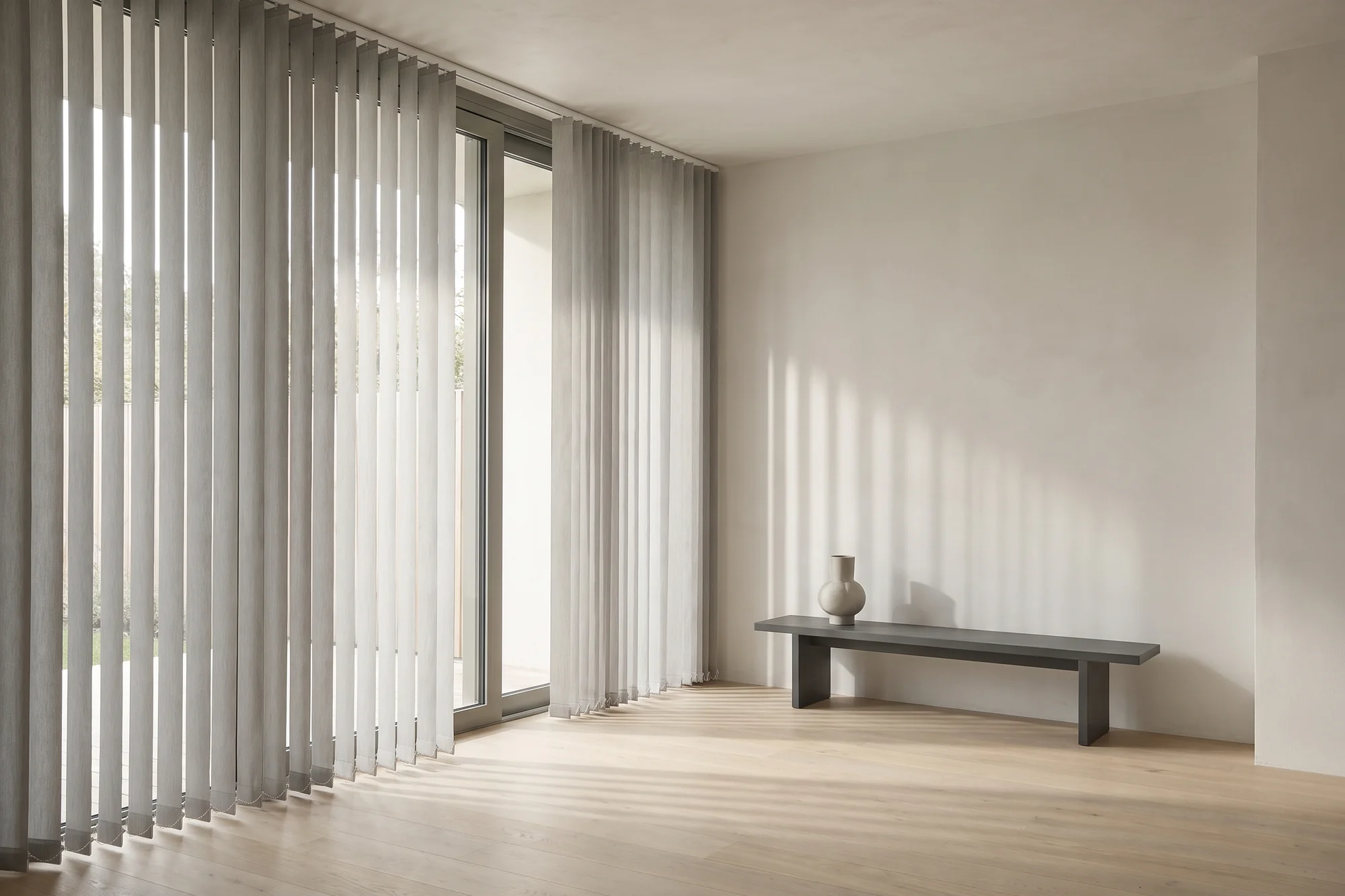
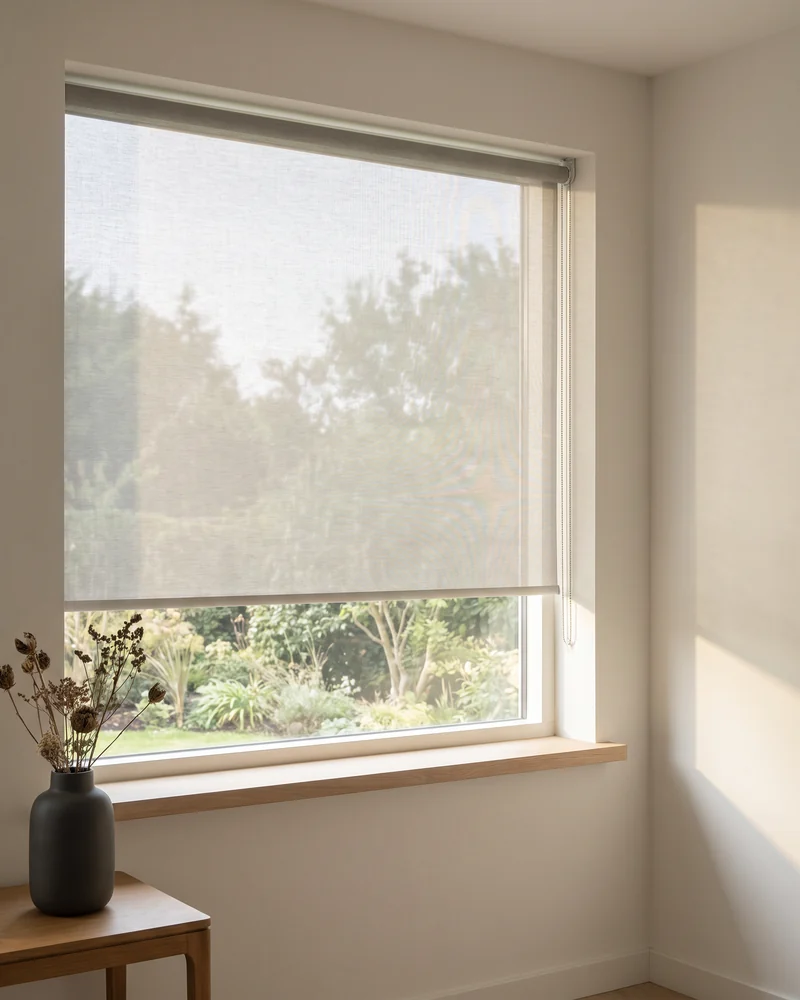
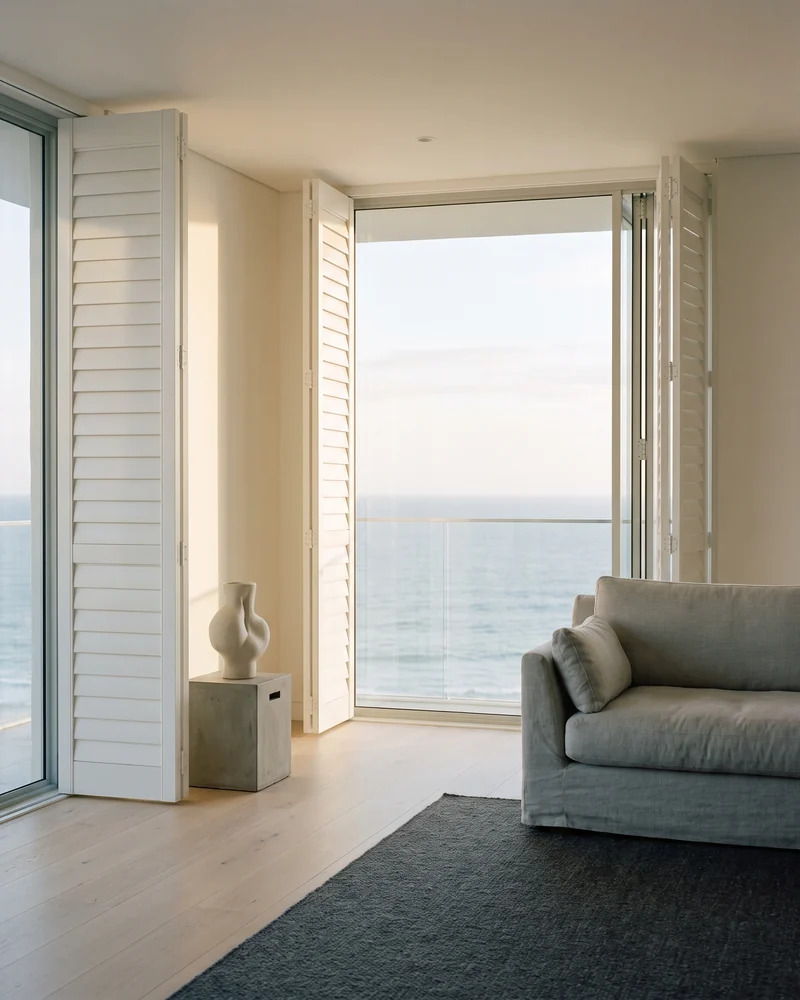
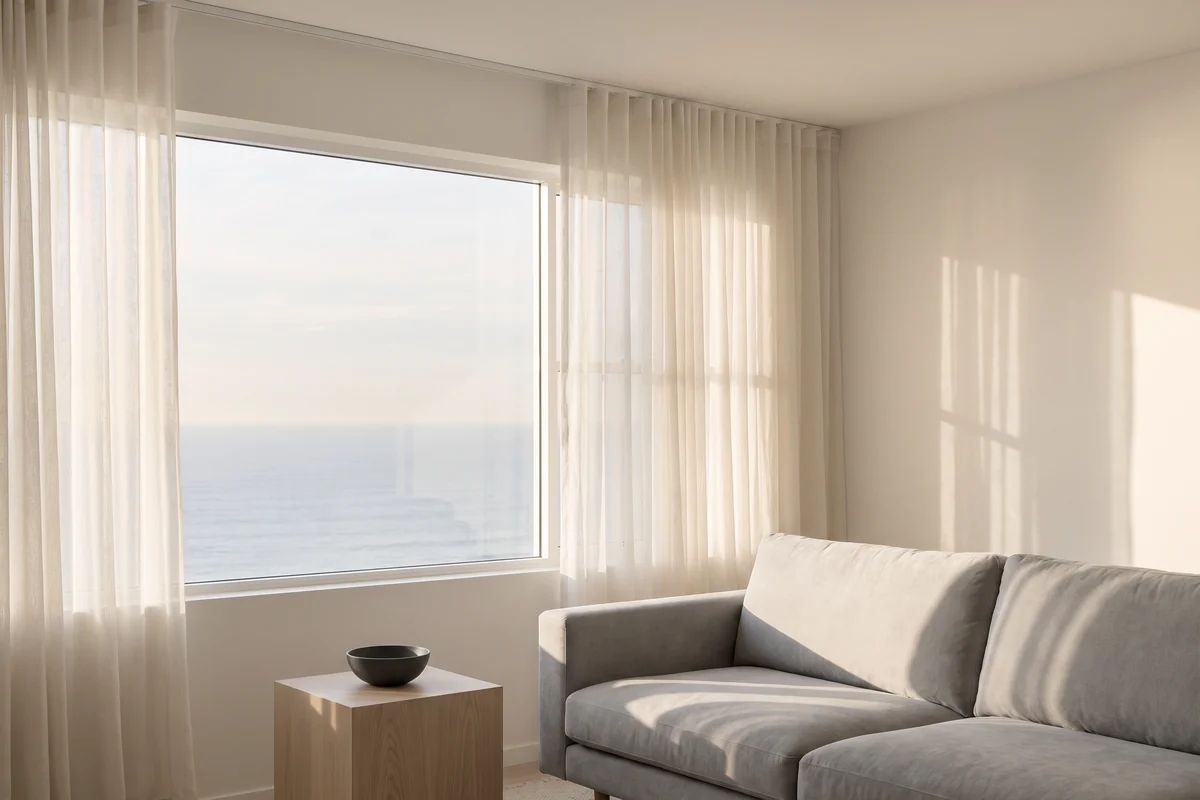
Which matters, because reflected light does not arrive the way direct sun does. It comes off the surface from below the horizon and travels up into the room. A blind lowered from the head rail covers the top of the opening first — the part the sun uses — and leaves the bottom, which is the part the water uses. That is the whole explanation for a complaint I hear constantly: the blind is down and the room is still unusable at four in the afternoon.
The fix is a fabric that cuts glare across the full height of the opening rather than a blind that blocks the top of it, and sometimes a blind that runs bottom-up instead. The Australian Government’s glazing guidance makes the same point from the other direction: what reaches the glass is the problem, and how you treat the opening decides what you can do about it.
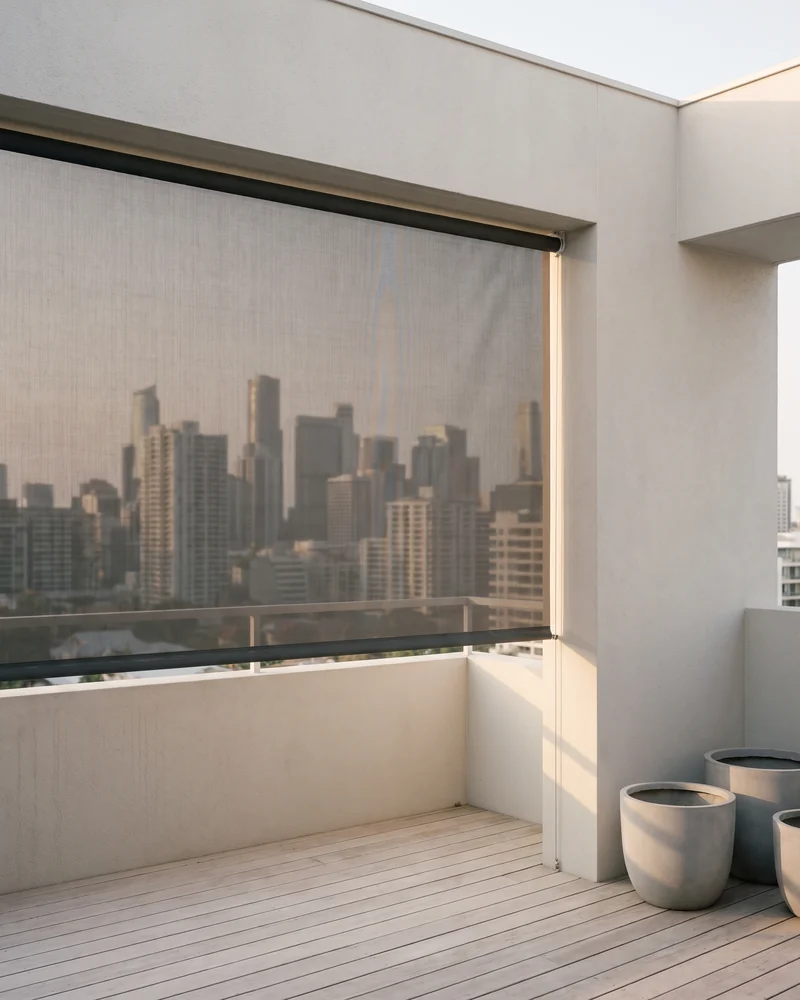
Then there is the vertical city. Surfers Paradise, Broadbeach and Main Beach are stacked with apartments whose window reveals are barely deep enough to take a stack, and whose by-laws often have something to say about what your windows look like from the street. In a holiday let, add a blind that gets pulled by strangers more times in a year than a family home’s does in five. That is a decision about the mechanism, not the fabric, and it is the one nobody asks about until the second season.
Go ten minutes inland and the problem inverts. Nerang, Helensvale and the hinterland side of Robina are not dealing with light off the water at all — they are dealing with west sun on larger detached houses, wider openings than an apartment ever has, and afternoon heat that arrives through the glass and stays in the room after dark. Blinds in Nerang and the streets around it get specified for heat first and glare second, which is the opposite order to a Main Beach apartment. It is the same coast and a different brief, and it is worth saying out loud because the showroom answer is usually written for the beachfront.