


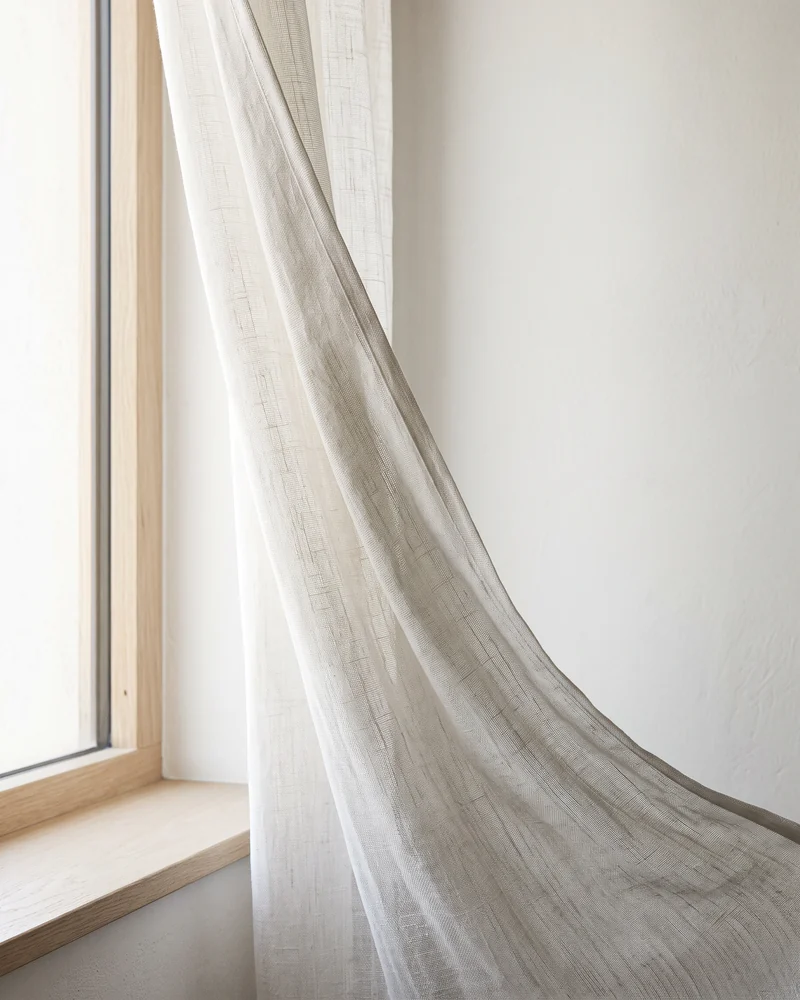

Work out what it eats before you buy it
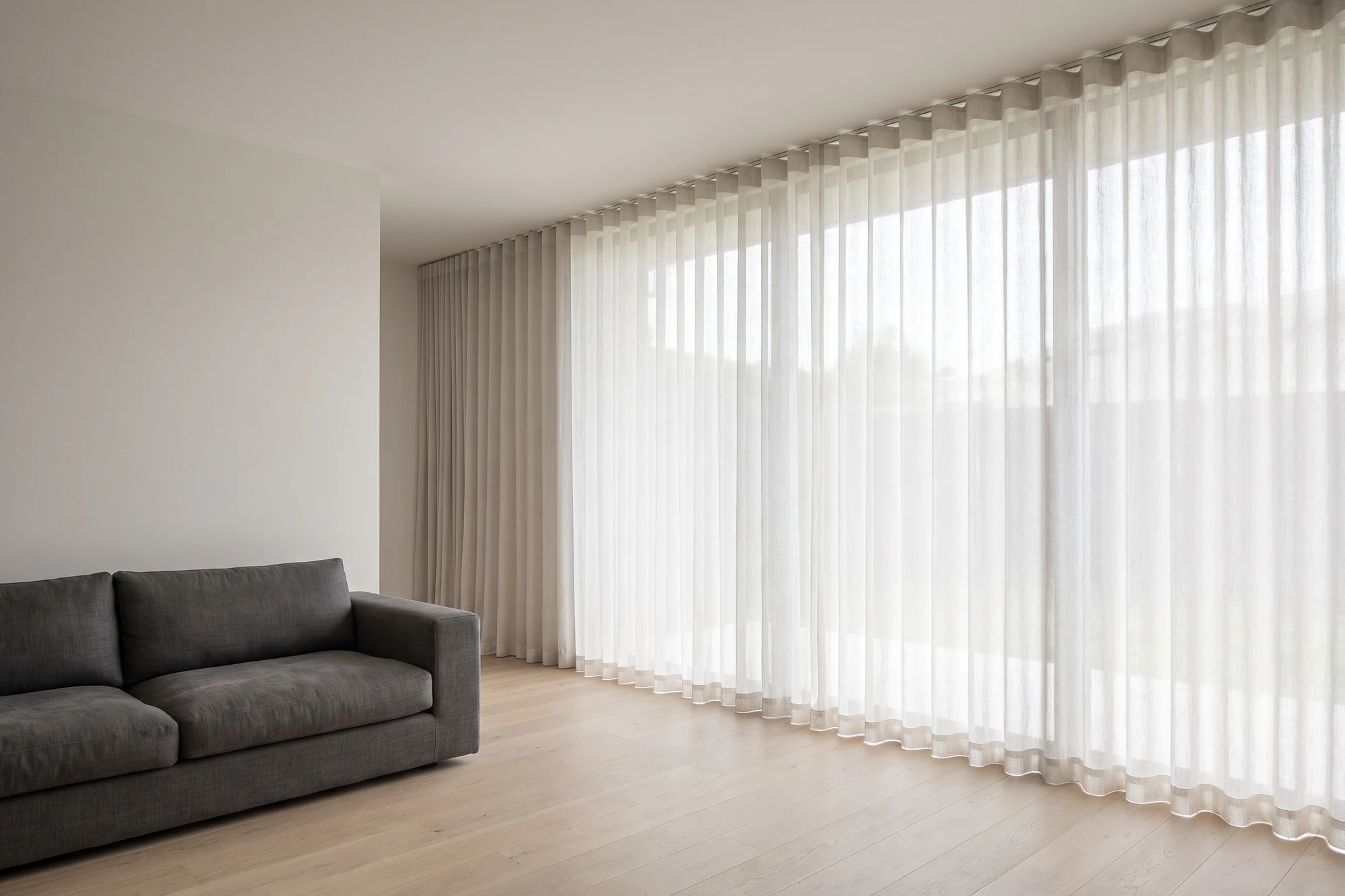
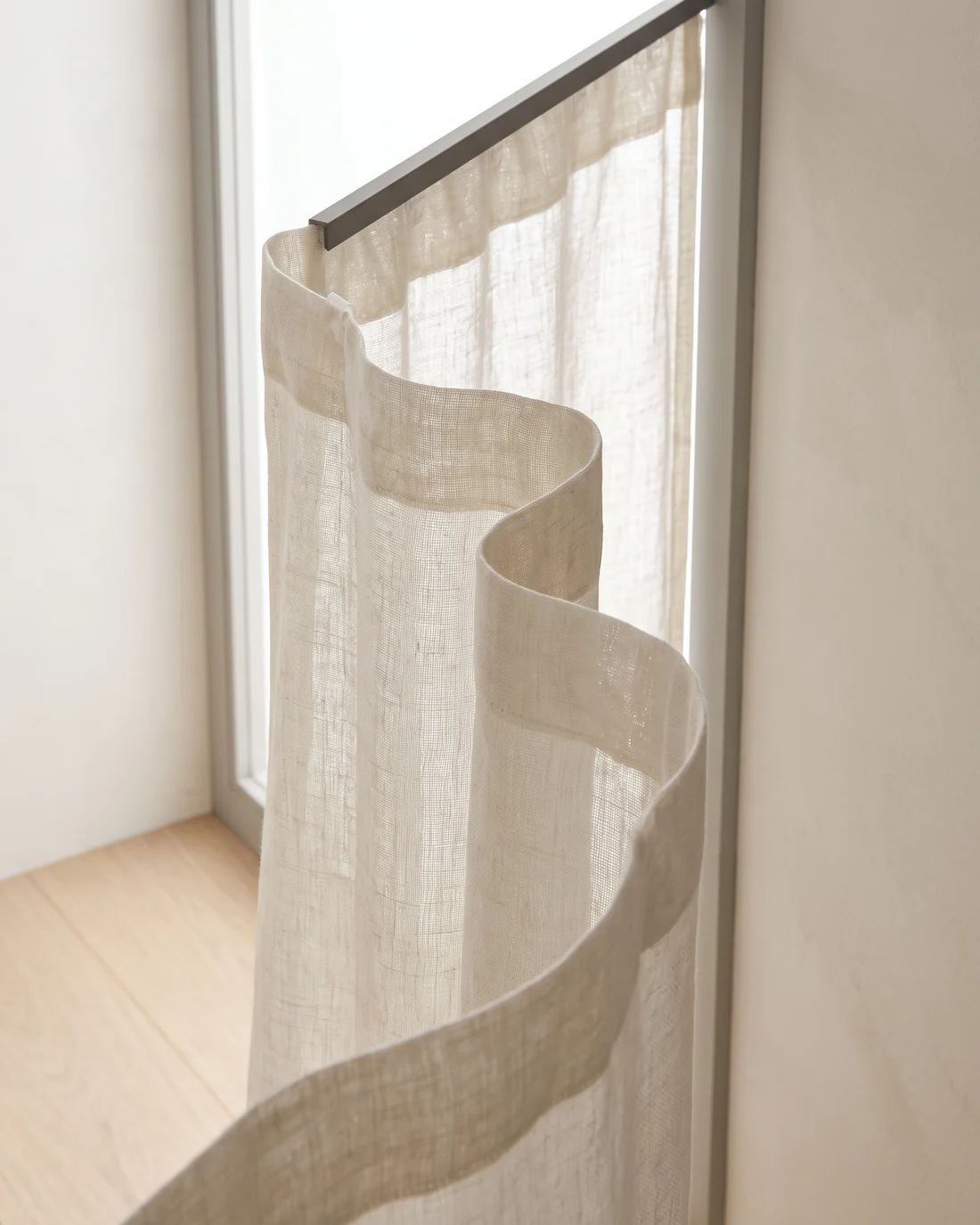
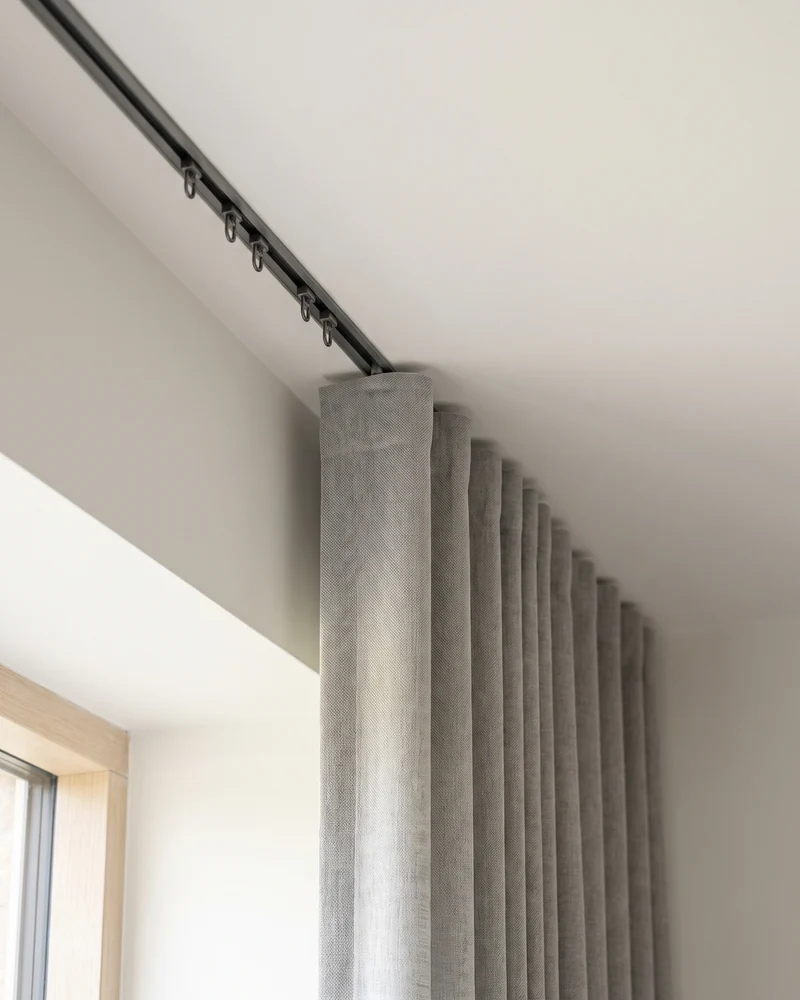
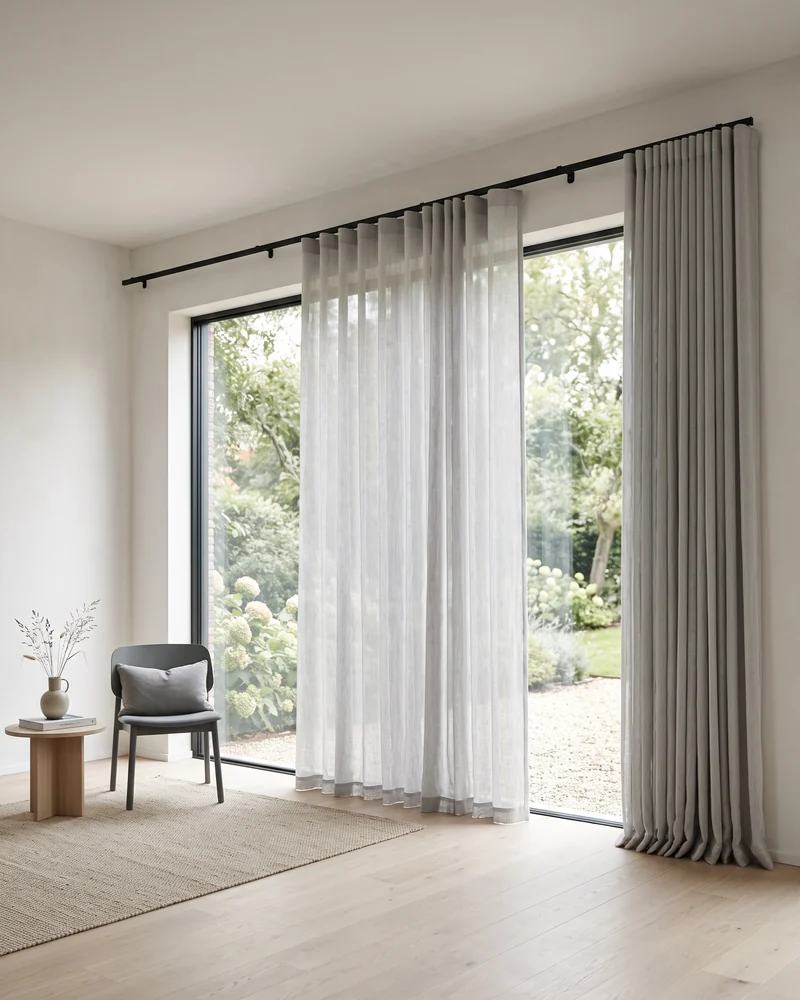
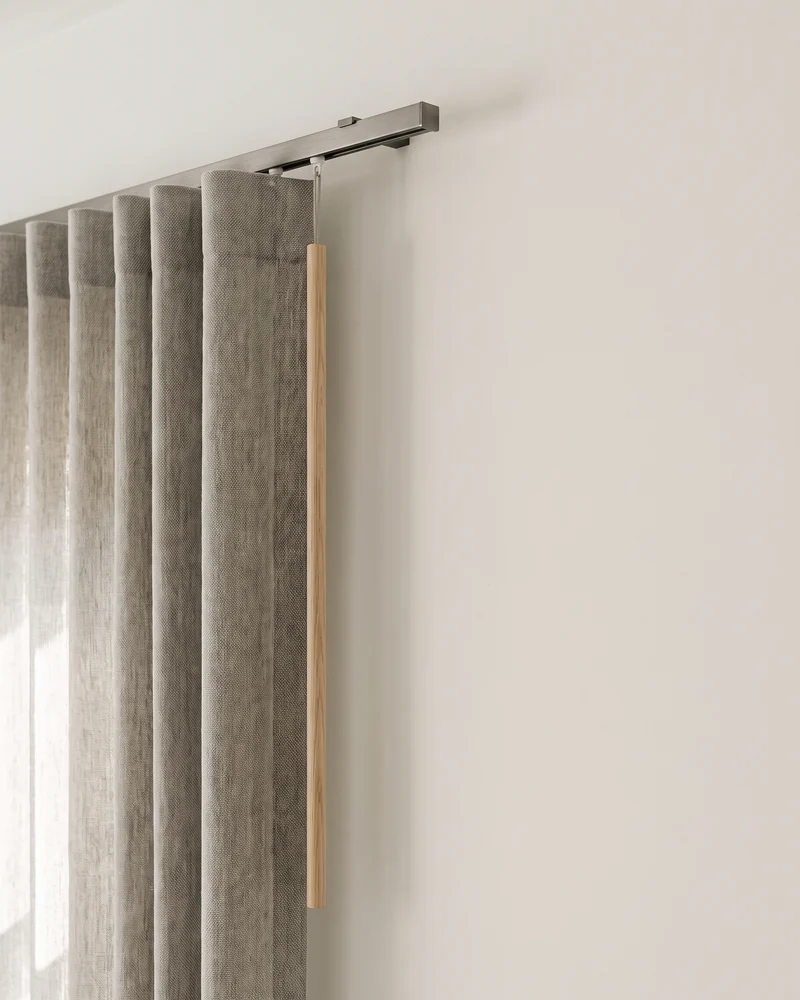
An open curtain does not disappear. It bunches at the end of the track, and that bunch is the stackback. As a working figure, allow 20–30% of the track width across both ends in a medium-weight fabric. On a three-metre slider that is roughly 600–900mm of glass sitting behind fabric — on the view you paid for. An S fold stacks a little tighter than a stitched pinch pleat at the same fullness, because there is no permanent bunch sewn into the heading, but it still stacks.
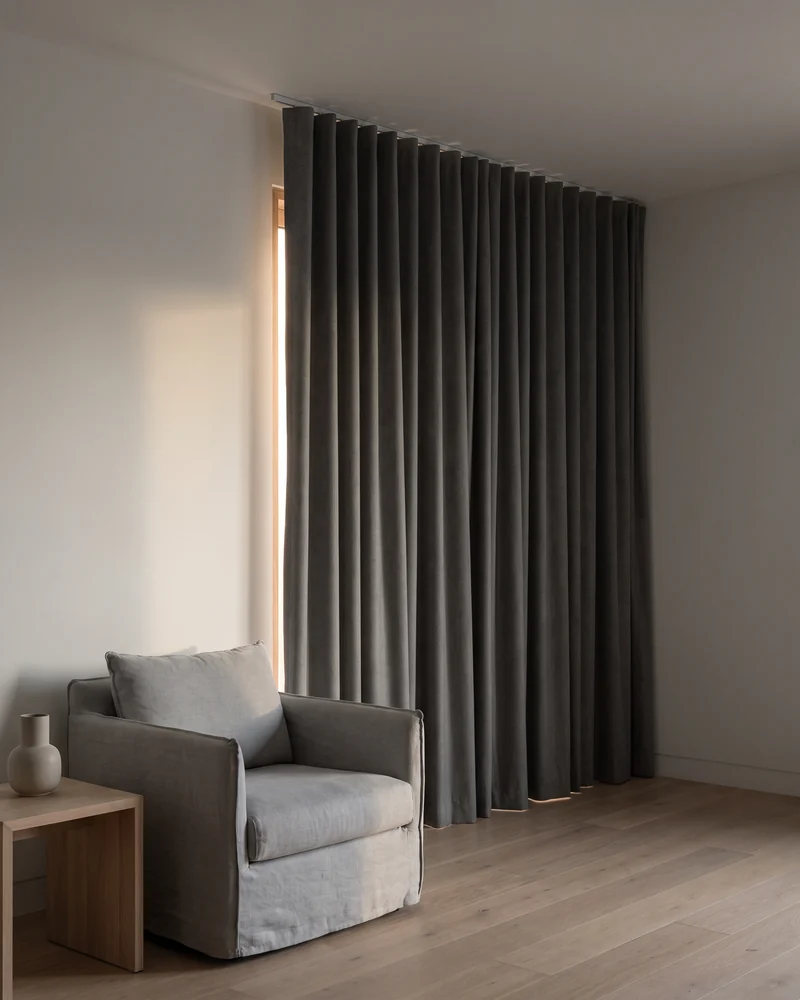
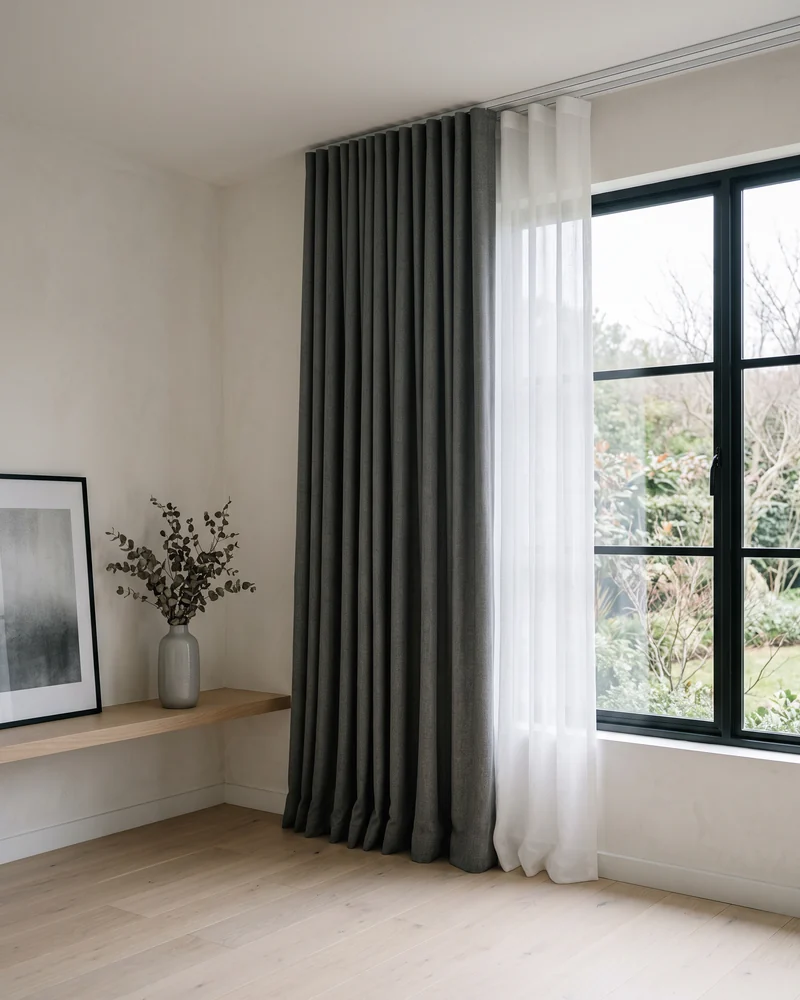
The fix is not the heading — and if you are still weighing that up, the full comparison of pinch pleat, pencil pleat and S fold sets the three side by side. The fix is running the track 250–400mm past each side of the opening so the curtain parks on the wall.
The same geometry that keeps the stack off the glass is what makes the curtain work as shading: the government’s Your Home guide to shading is blunt that a covering does its best work when it clears the opening completely. That only works if there is wall there, which is exactly the sort of thing worth knowing before the fabric is cut.