Local conditions
Brisbane keeps opening the back of the house
The Opening Got Wider. The Blind Did Not.
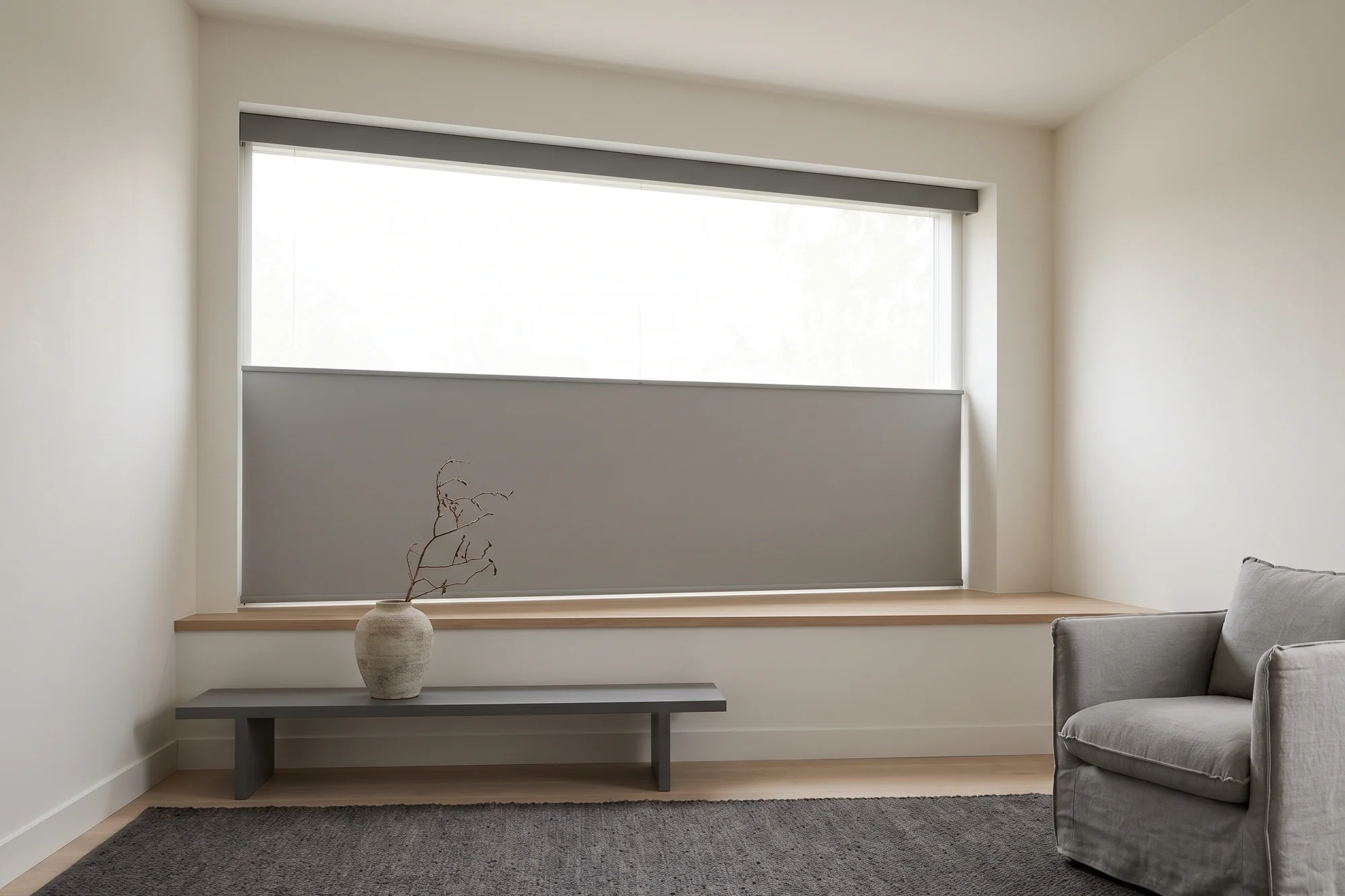
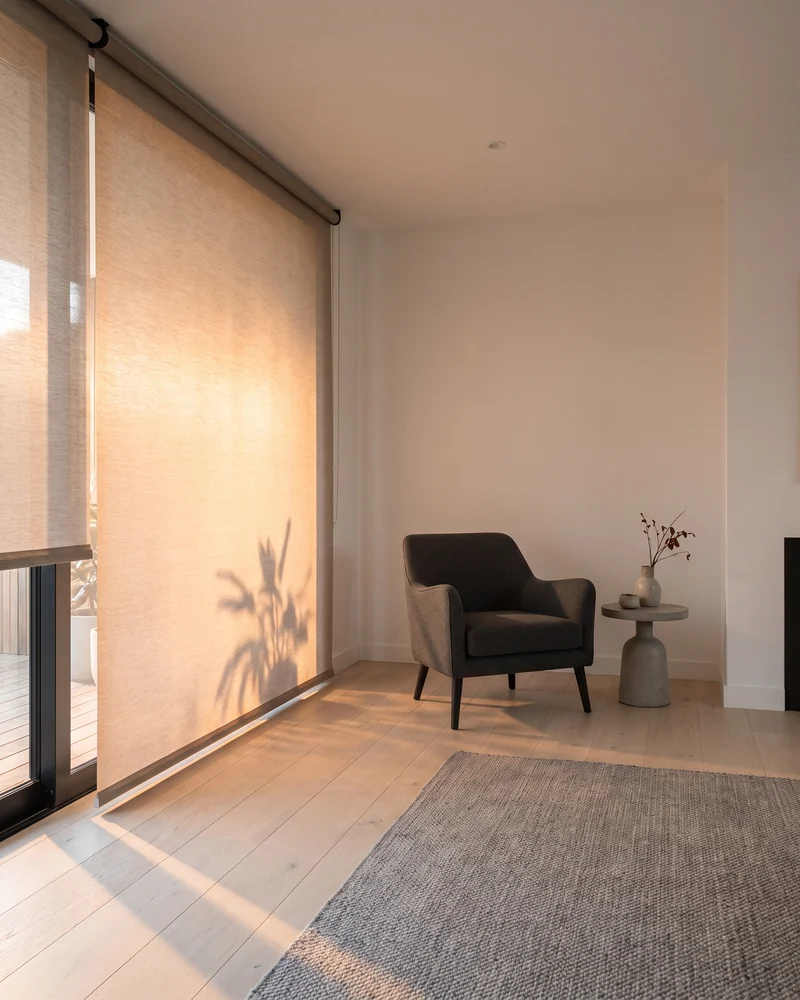
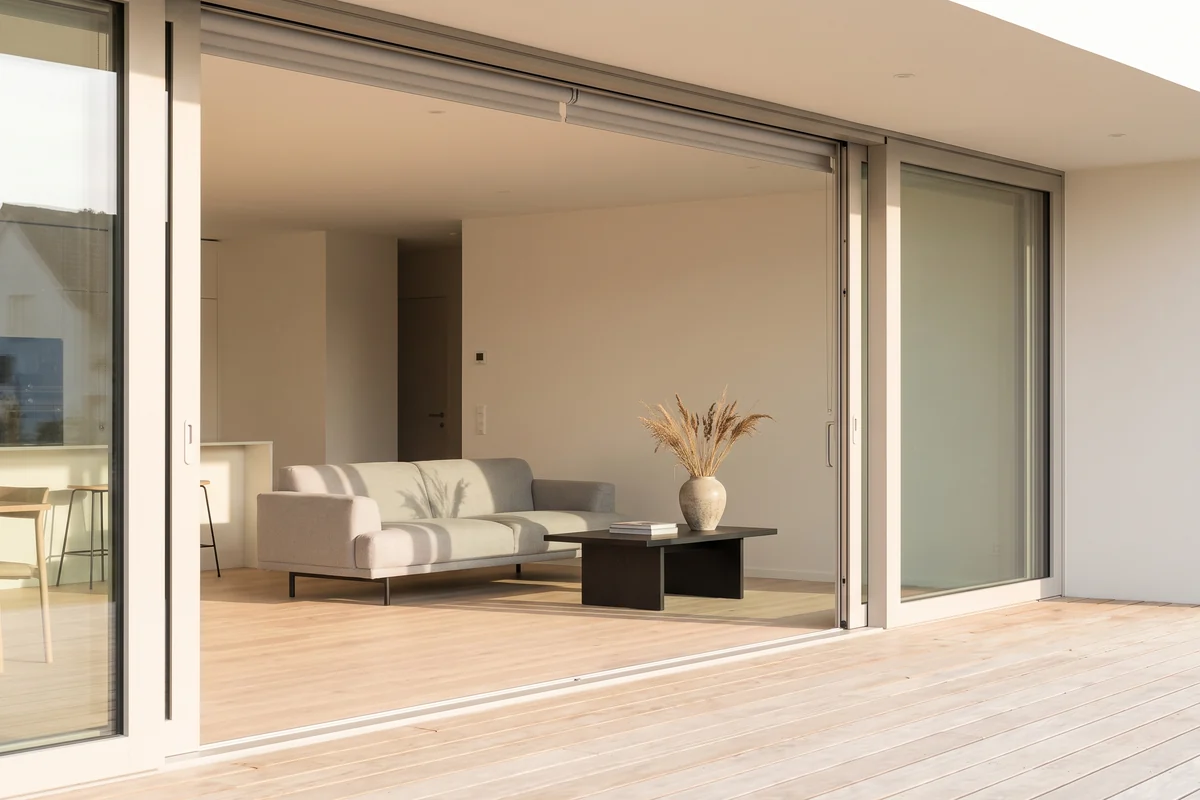
The renovation this city does more than any other is knocking out the back wall and putting a stacker or a bifold run onto the deck. Those openings land somewhere between three and a half and five metres, and they almost always face west or north-west, because that is where the yard is. The Australian Government’s guidance on shading is blunt about that orientation: an eave is sized for a summer noon, and the sun that matters here arrives at four in the afternoon, under it.
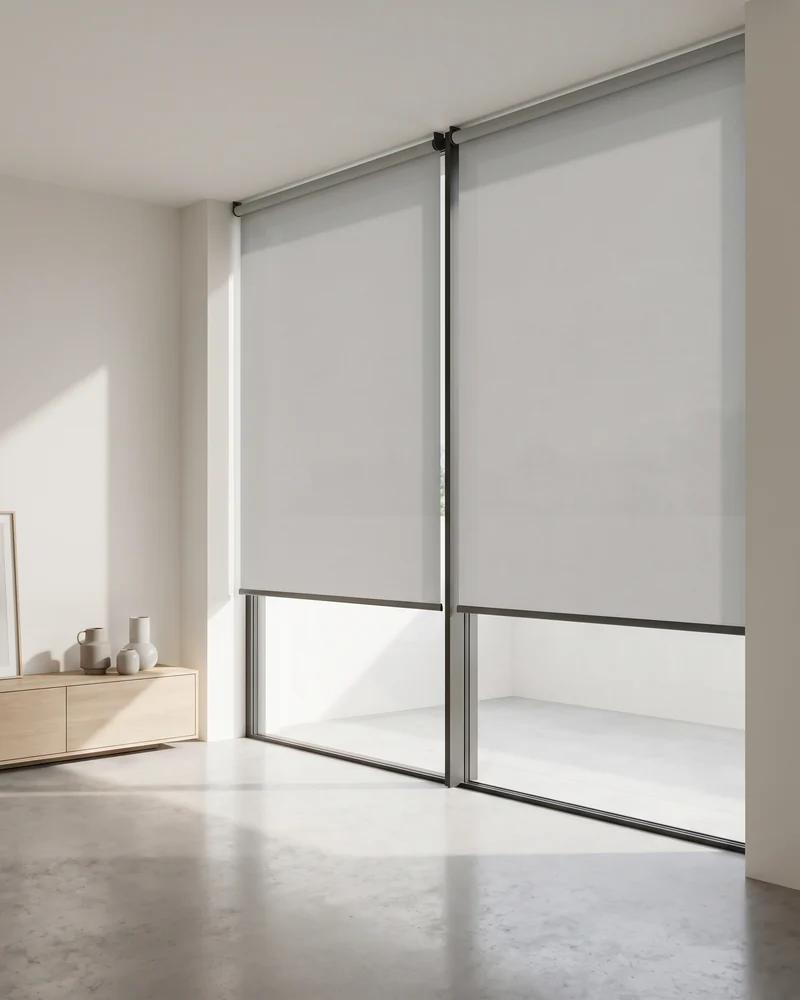
So a roller blind is the right answer, and then you hit the number nobody publishes. A single roller blind stops being sensible at about three metres. Past that we move to a 60mm tube, and past the tube the answer is two blinds coupled on a shared line rather than one heroic span. That is not an upsell — it is the difference between a blind that still rolls straight in year five and one that walks off the tube. What it does need is a decision about where the join lands, and that decision has to be made at the measure, not when the blinds arrive on a trolley.
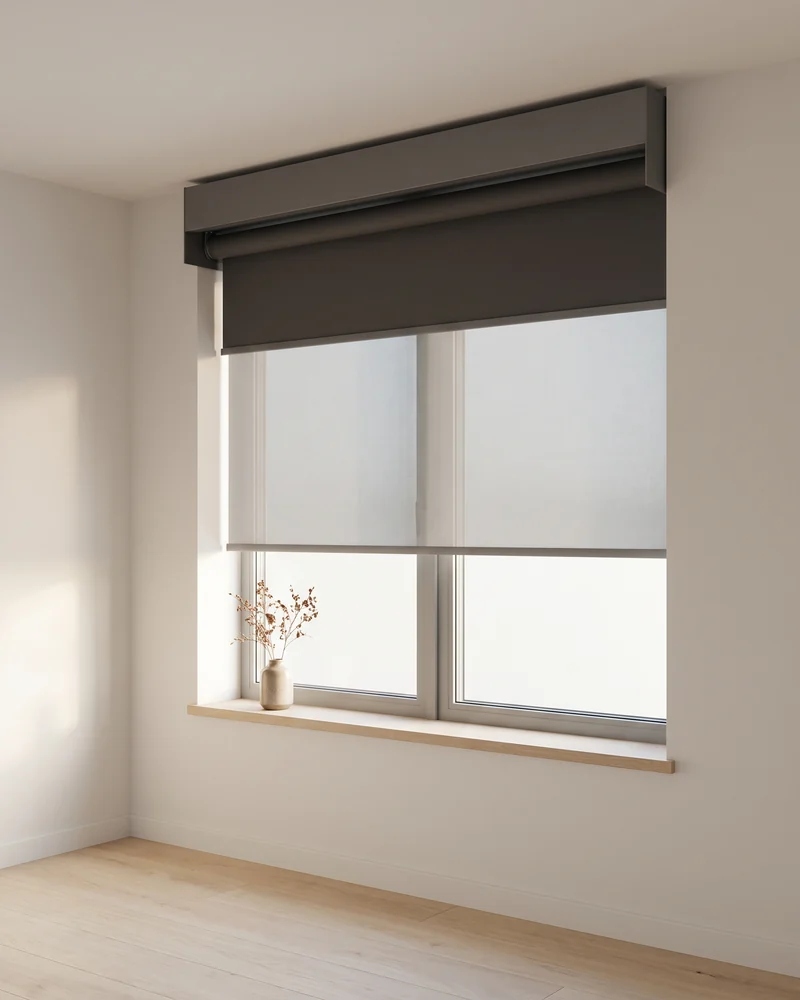
Then there is the older stock. A Queenslander’s casement and double-hung sashes sit in timber reveals that have had eighty years to move, and they are frequently shallower than a modern bracket expects. A double roller bracket projects 115 to 122mm depending on the system. Measure the reveal on a pre-war house in Paddington or Bulimba and you will often find less than that, which means the blind goes face-fixed to the architrave instead — a perfectly good answer that changes the light gap, the stack and the price, and one you would rather hear before the quote than after it. Those houses are also where people still call a roller a Holland blind — the same blind, and the same bracket problem.
The blinds go in either way. It is only the people who quote from a catalogue who find that out on installation day.