Local conditions
Which wall is it going on
North is easy. West is the one people get wrong.
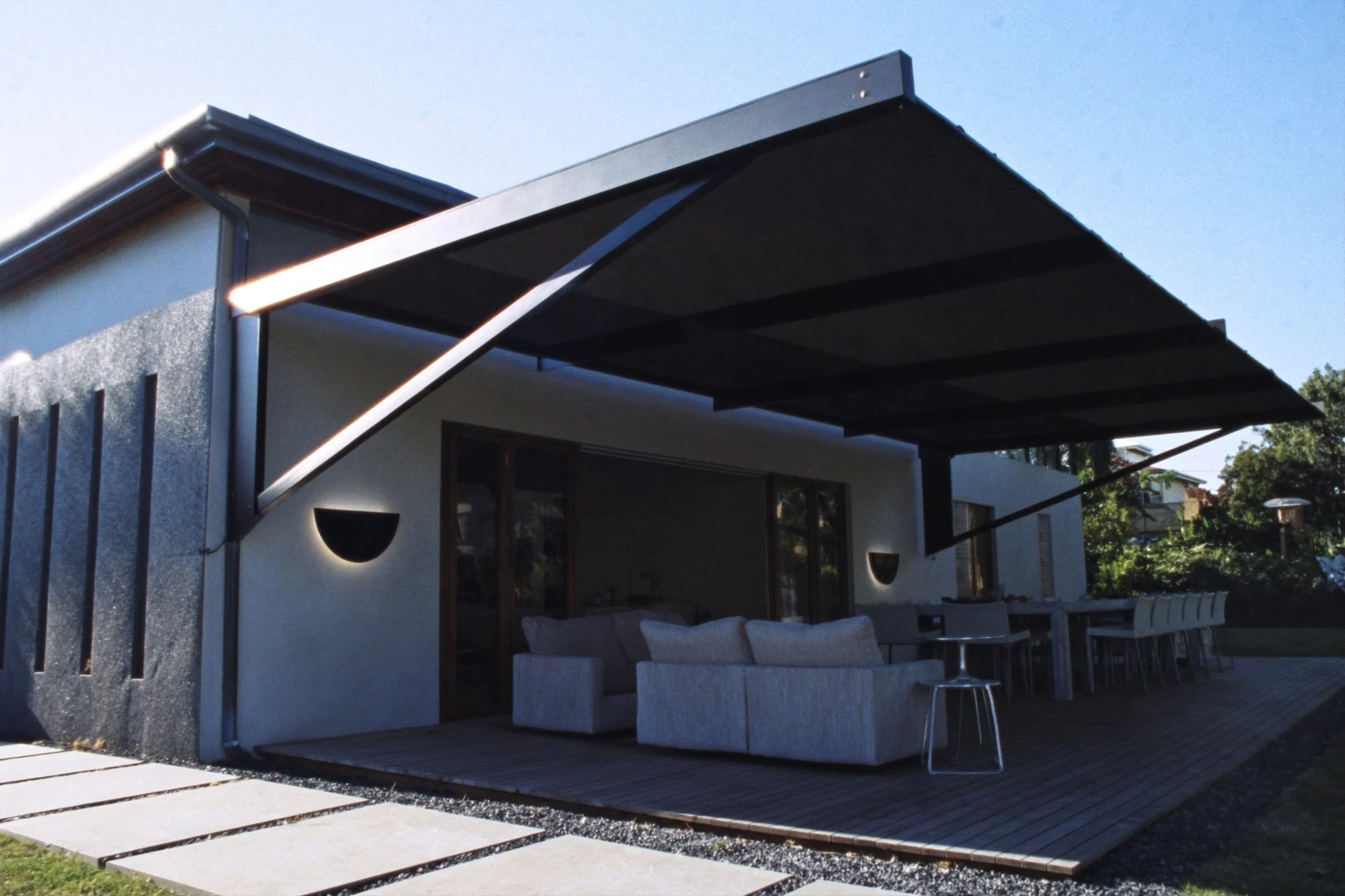
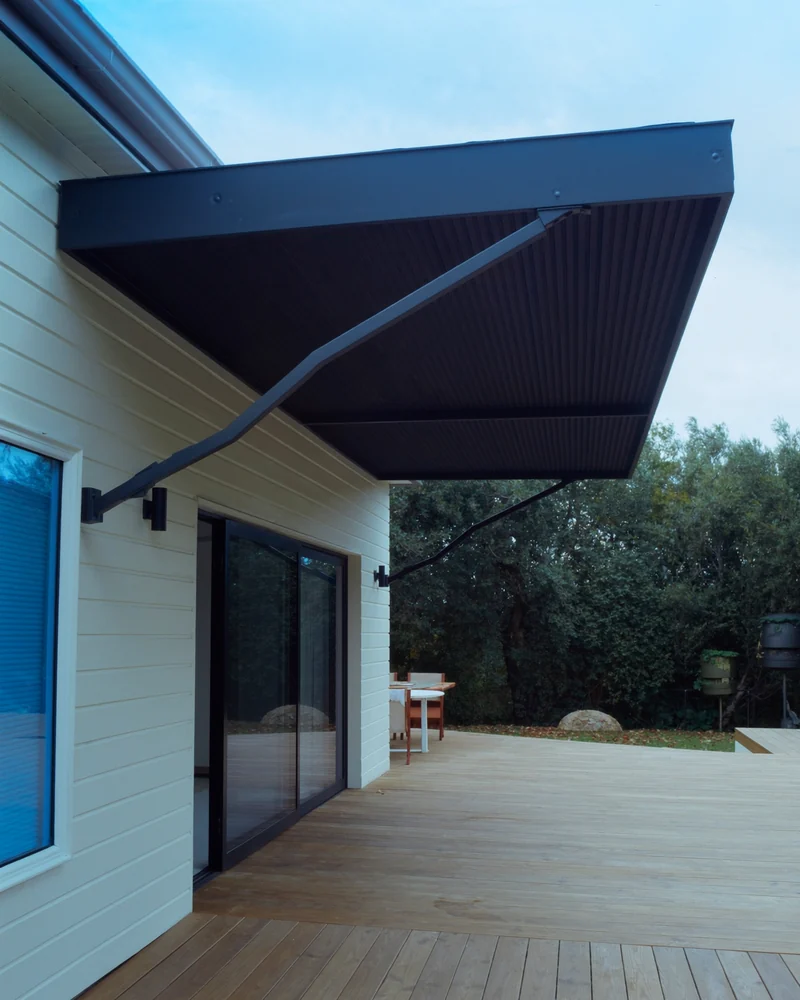
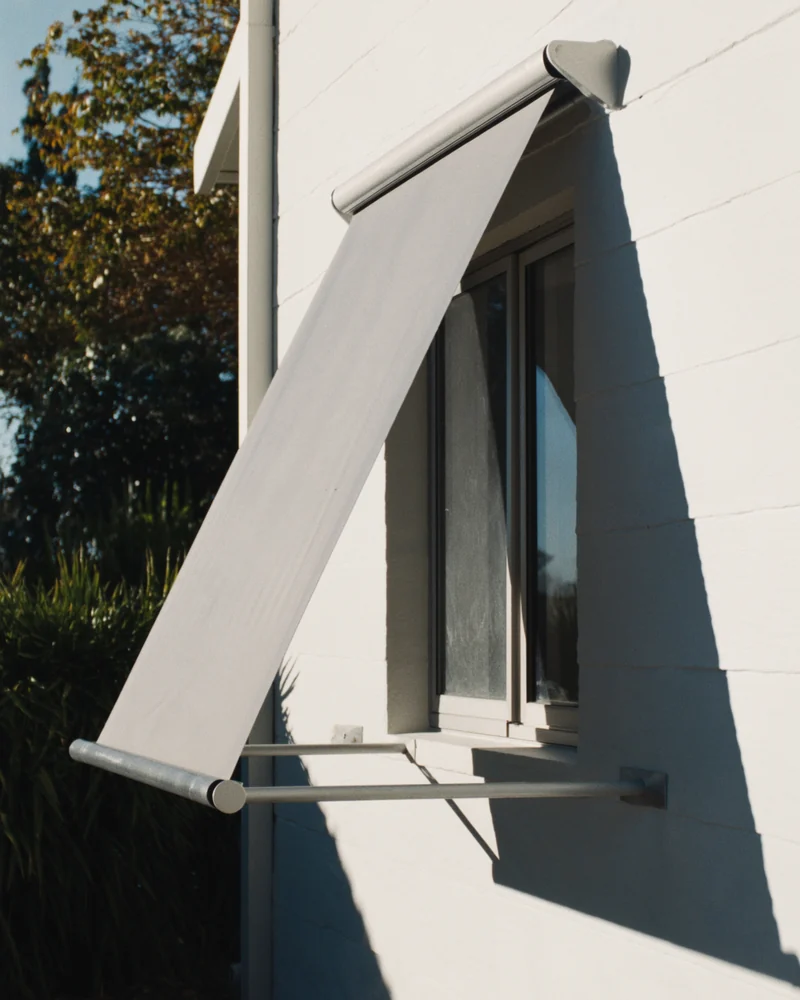
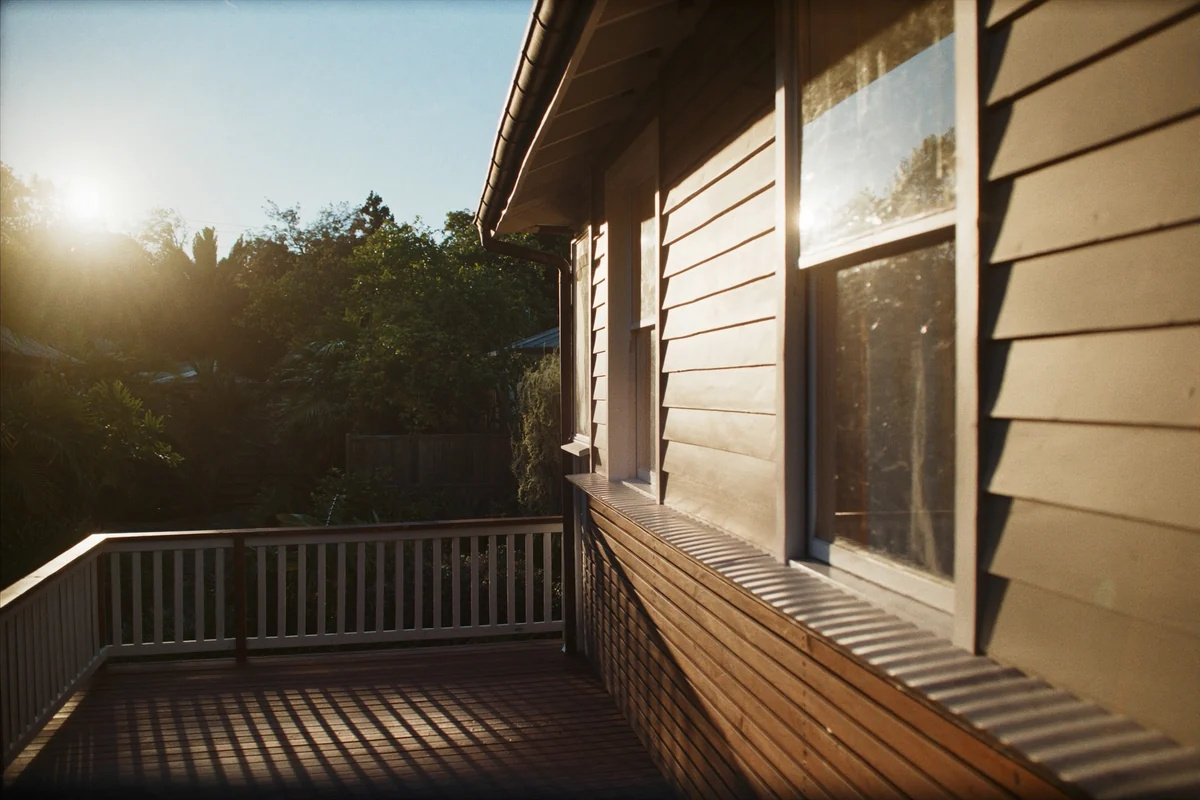
Shading is a geometry problem before it is a product problem, and the government's own passive design guidance puts it plainly: a horizontal projection works on a northern aspect because the summer sun is high overhead, and struggles on an eastern or western one because the sun is low. Brisbane's misery hours are the back half of a summer afternoon, when the sun is dropping into the west and coming at the house nearly level. An awning projecting three metres out from that wall casts most of its shade onto the neighbour's lawn.
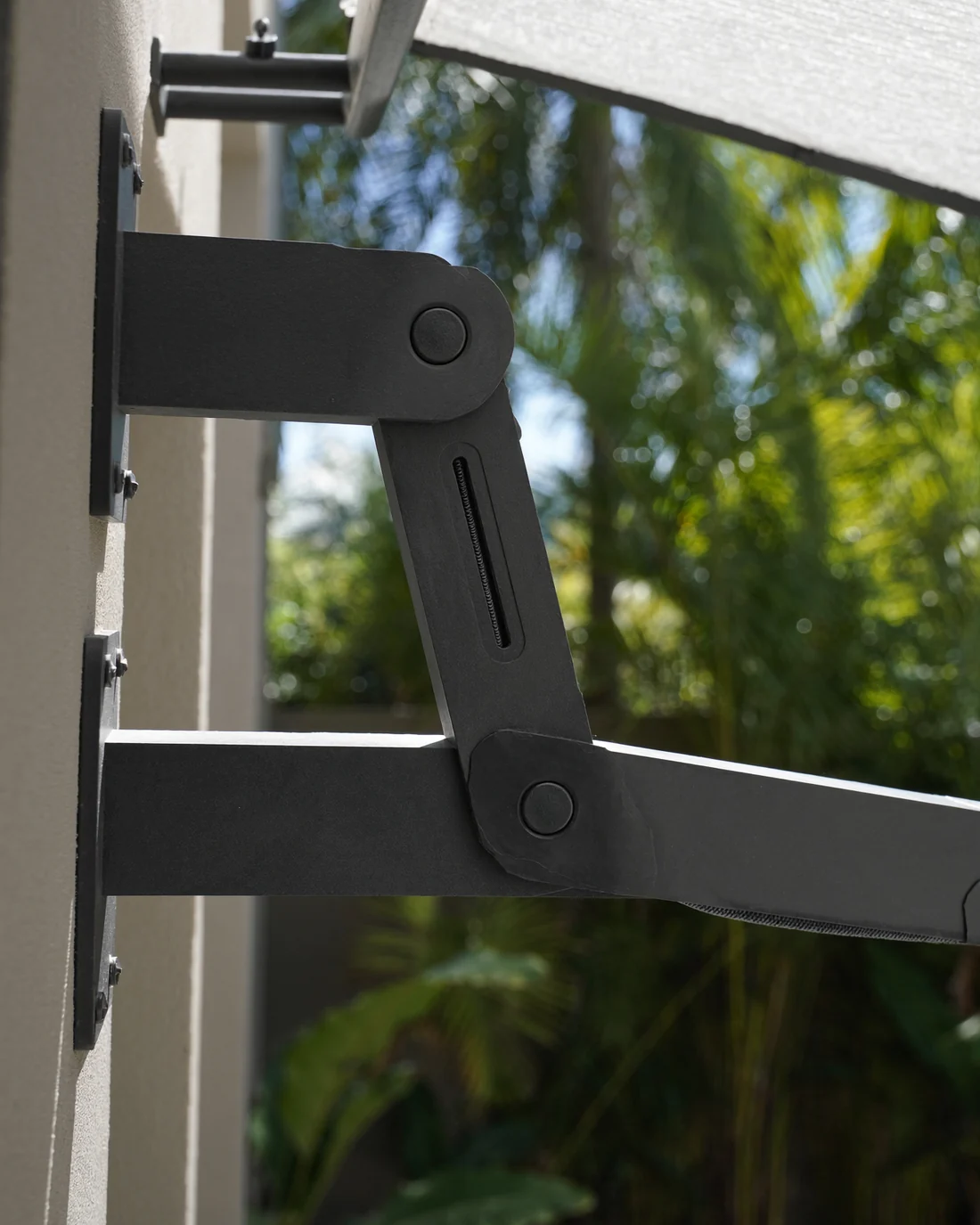
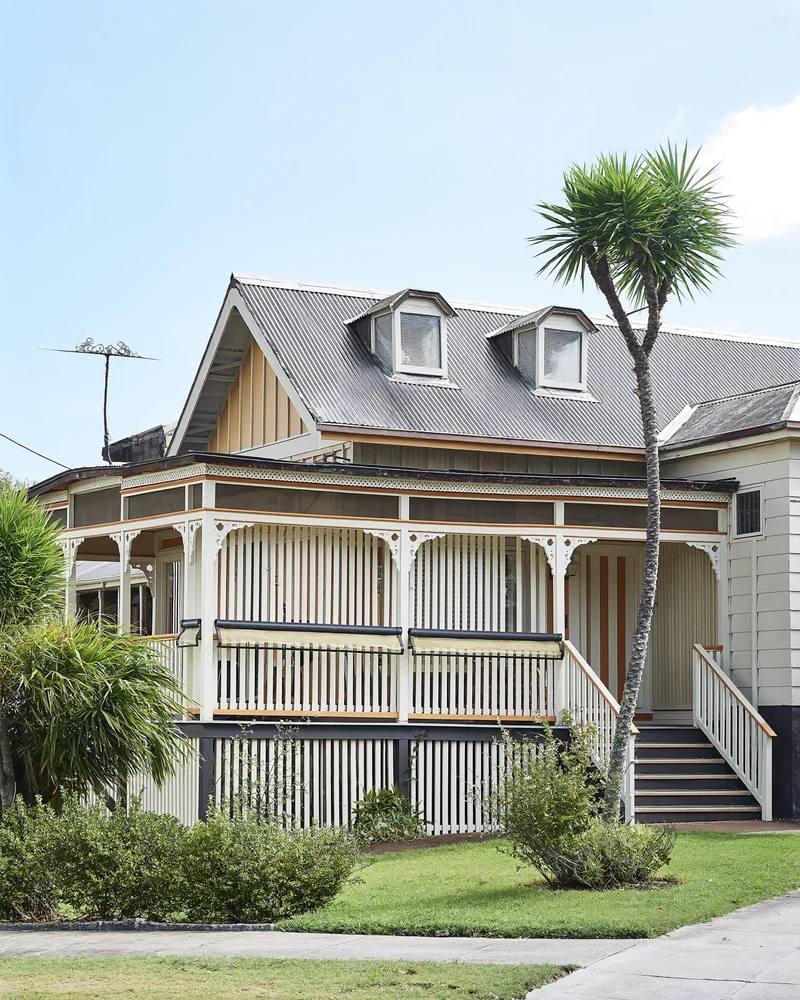
So the first question we ask is which wall, and the second is what is behind the cladding. A folding arm awning has no posts — that is the whole point of it — so every kilogram of it, plus whatever the wind does, is carried by two brackets bolted to your wall. On a rendered blockwork townhouse that is straightforward. On a hundred-year-old timber Queenslander it means finding real structure behind the chamferboard, and sometimes it means we say no to the spot you wanted and yes to one 400mm along.
Neither of those conversations happens over the phone, which is why we come and look before we quote rather than after.