

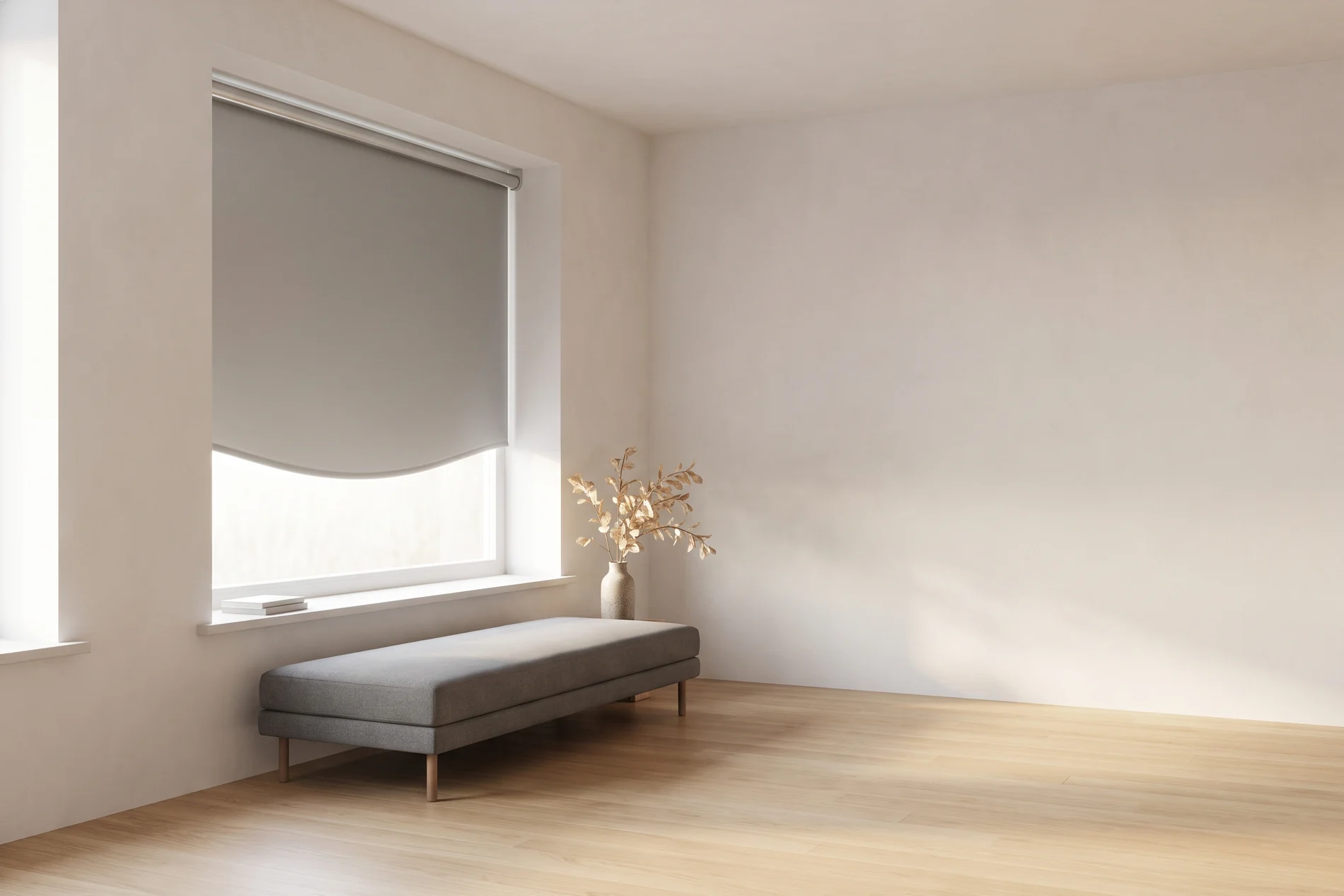
Verosol Blinds: What SilverScreen Actually Does
A metallised fabric, an honest look at what it changes, and the numbers we will not quote you.
Verosol blinds are made from a metallised fabric — a microscopically thin layer of aluminium bonded to the back of the cloth, so it reflects solar radiation rather than absorbing it. An ordinary fabric soaks that energy up and re‑radiates it into the room as heat. That is the entire difference, and it is a real one.
Forced to pick one: worth specifying on glass the sun actually hits, and a waste of money on glass it doesn't.
We supply Verosol SilverScreen, so treat this as coming from someone with a commercial interest in you buying it. That is also why there is no reflectance percentage on this page. Verosol publishes figures for its own fabric; we haven't verified them, and a number we can't stand behind has no business on our website. Below: the mechanism, the three forms, and the windows where it is the wrong answer.
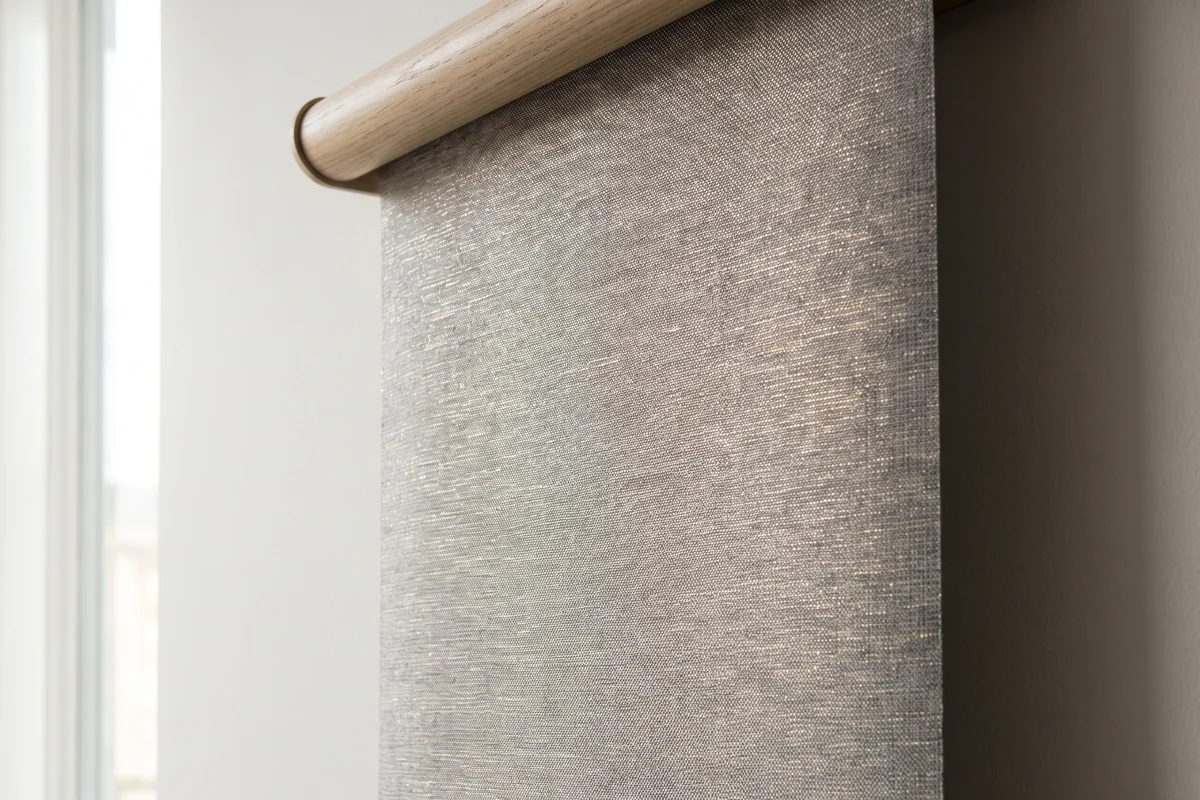
Verosol is a fabric first
This trips up almost every enquiry we take on it. People ring asking for a Verosol blind the way they'd ask for a roller blind, as though it were a shape. It isn't. Verosol makes fabric and the blinds it hangs on — it says it invented both the metallised cloth and the pleated blind — but SilverScreen is the fabric, and what it becomes at your window is a separate decision.
So there are two questions on the table, not one. Which fabric, where metallised is one option among many; and which mechanism — a roller, a pleated blind, or a curtain on a runnered track. Confusing the two is how someone ends up with a roller on a raked window a pleated blind would have fitted.
What the metallised backing actually does
Solar radiation arriving at your window is reflected, absorbed, or transmitted through. Glass on its own transmits most of it, which is why glazing is the weakest thermal point in most Australian homes.
Put an ordinary blind behind that glass and you change which of those three happens. A dark, dense fabric absorbs the energy. It stops the light beautifully, then warms up, and a warm panel a hundred millimetres inside your window radiates into the room all afternoon. You have moved the problem, not solved it. Anyone who has closed a blockout blind at two o'clock and found the room still climbing has felt it.
A metallised backing changes the ratio. Aluminium is a poor absorber and a good reflector, so more of the incoming radiation is turned around and sent back out through the glass instead of being converted to heat inside the fabric. That is the mechanism, and it is physics rather than marketing.
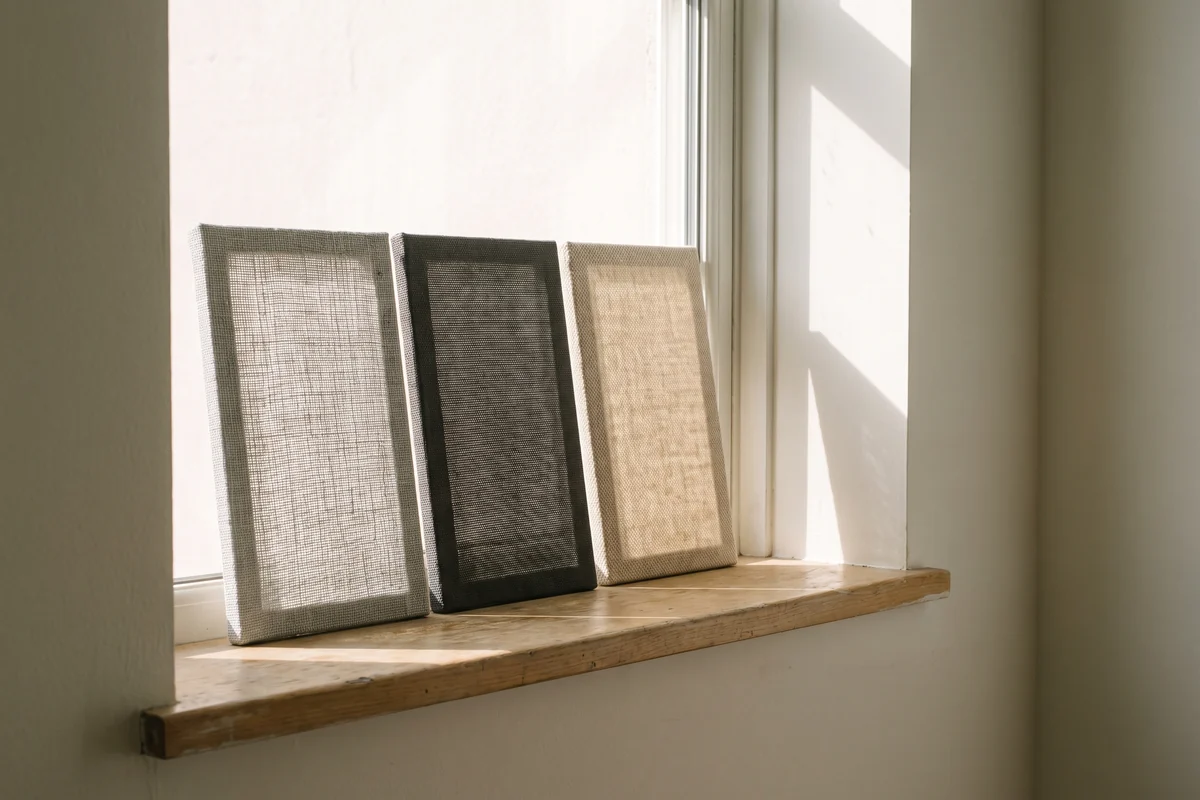
What we will not do is put a percentage on it. We stock sunscreen fabric in 1%, 3%, 5% and 10% openness — a number off our own shelf, and the one that decides how much you see through the blind and how much glare gets past. Reflectance figures come off somebody else's brochure, and an unverified percentage is how a sales claim becomes a complaint. We would rather send you a sample to hold up to your own window.
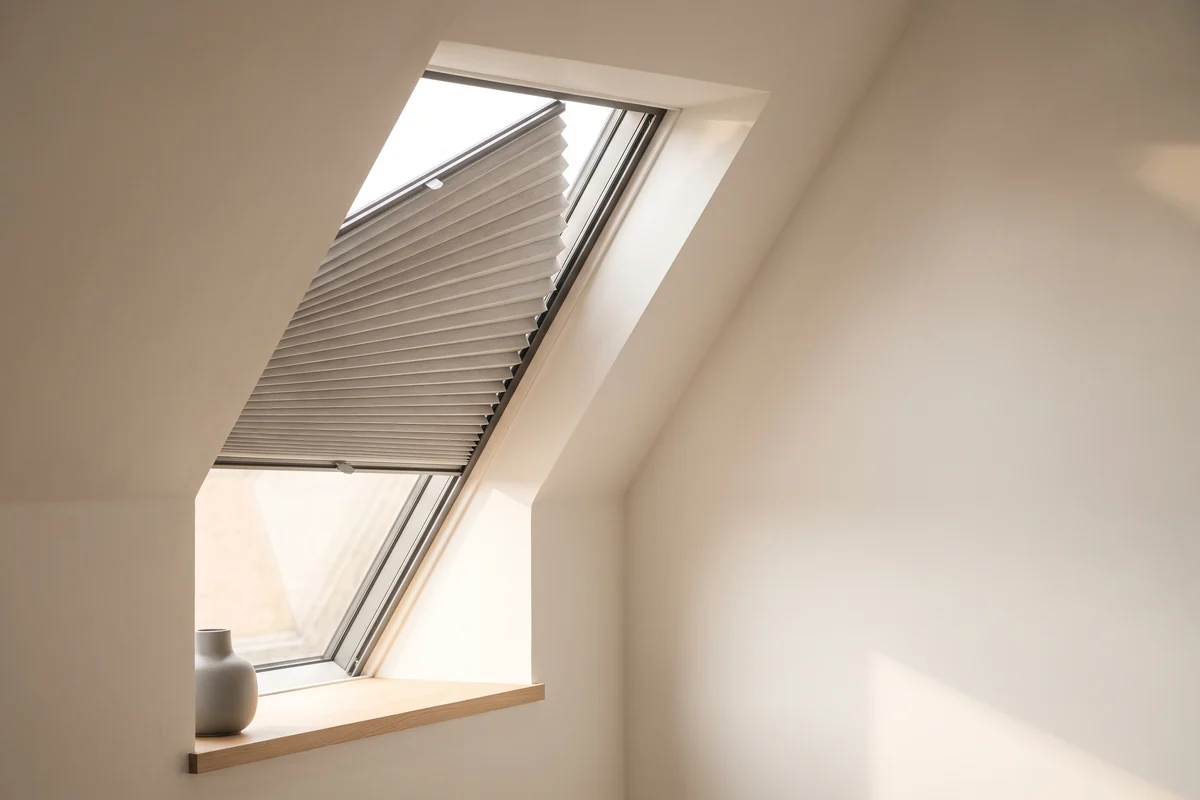
The three forms we can supply it in
SilverScreen comes to us as curtain fabric, roller blind fabric and pleated blind fabric. Those three are what we can quote. Same cloth, three completely different ways of covering an opening — the practical proof that the fabric decision and the product decision really are separate.
| Roller blind | Pleated blind | Curtain | |
|---|---|---|---|
| How it moves | Rolls onto a single tube above the opening | Folds into a slim stack of pleats | Draws sideways on a runnered track |
| Best on | Standard square and rectangular windows | Raked, angled, triangular and skylight openings | Wide spans, stackers and full‑height glass |
| Stack when open | Smallest — a tube in the headbox | Small — compressed pleats | Largest — fabric stacks off to the side |
| Lead time | 2–3 weeks | 2–3 weeks | 2–4 weeks |
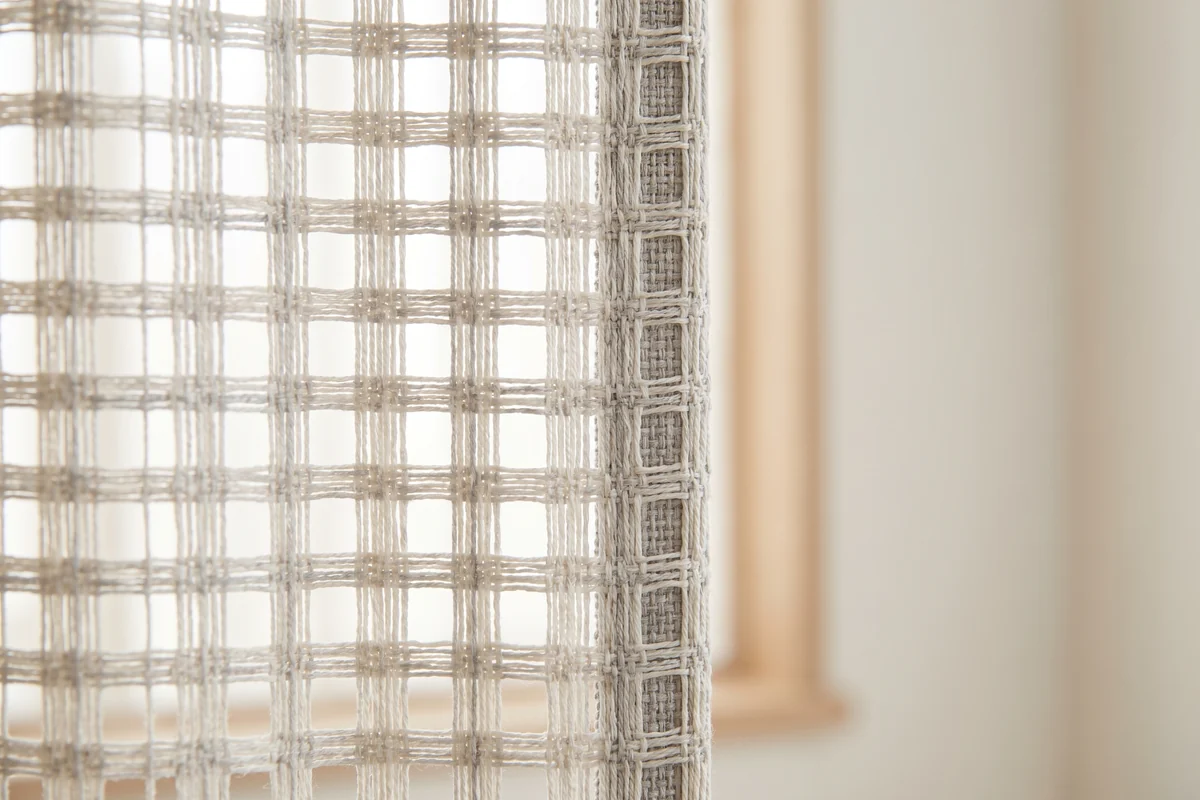
Most SilverScreen we specify goes onto roller blinds, because most Australian windows are rectangles. Pleated blinds earn their keep on the shapes a roller can't follow. The curtain version is the one people forget exists, and it is the interesting one — a heat‑reflecting fabric across a six‑metre stacker, with nothing hanging in front of the view.
When Verosol is the wrong answer
Here is the part a fabric brochure won't tell you. Every internal blind, metallised or not, works on radiation that has already crossed the glass. Reflecting it back out is a useful second line of defence. It is still the second line.
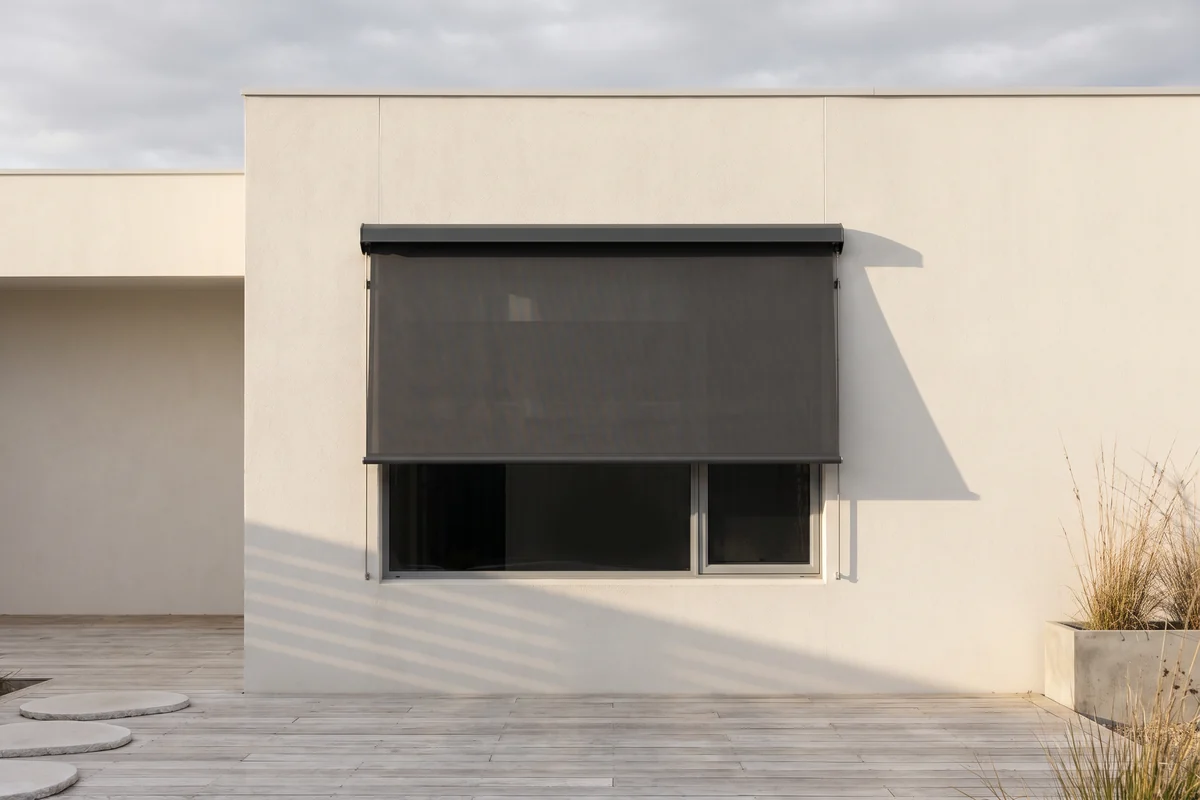
The Australian Government's guidance on shading is blunt about the order: stop the sun before it reaches the glass. An eave, an awning or an external blind intercepts it outside. So if your west wall can carry something external, do that first, and specify SilverScreen where you can't — windows facing a boundary, a body‑corporate facade, or an elevation an awning would spoil.
Two more cases where we'd talk you out of it. A window that never takes direct sun — a south‑facing bedroom, a light well, a hallway — has no solar radiation worth reflecting. And a room where the real problem is privacy after dark: a metallised fabric is a sunscreen, so it gives you very little once the lights come on inside. That is a job for a second layer, not a better weave.
None of that makes the fabric a gimmick. It makes it a specific tool for a specific window — more useful to know than a reflectance figure.
Not sure which of your windows would actually benefit?
We measure from Byron Bay to Brisbane and quote in 24 to 48 hours, itemised component by component, so you can see what the fabric costs against the alternatives. No deposit to get a price.
What to ask for when you specify it
Four things decide whether the finished blind does what you hoped. Only one is the fabric.
- Name the aspect, not the room. "West‑facing living room glass, unshaded, hit from three o'clock" tells us something. "The lounge" does not. Aspect decides whether a metallised fabric is worth the money at all.
- Choose the openness against the view. A tighter weave cuts more glare and shows you less of the garden; a looser one does the reverse. That trade‑off matters more day to day than any thermal number. Our guide to openness factor covers which percentage suits which window.
- Fit it to the opening, not to the glass. Whatever the fabric reflects is wasted if daylight is pouring around a 40mm gap at the side. On a roller that means a generous overlap onto the wall, or a properly measured reveal fit. It is the commonest reason a good fabric underperforms.
- Ask what warranty applies. We warrant our installation workmanship for 12 months from the day we fit it, and the product carries its manufacturer's warranty — between 12 months and 7 years depending on the system, componentry and fabric. Which period applies is stated on your quote.
We have been fitting window furnishings on this coast since 1978, we are members of the Window Shading Association of Australia, and we will tell you when a cheaper fabric does the same job. On plenty of windows it does.
Frequently asked questions
What is Verosol SilverScreen?
SilverScreen is Verosol's metallised fabric — a very fine layer of aluminium bonded to the back of the cloth. The backing reflects solar radiation rather than absorbing it, so the fabric doesn't heat up and re-radiate into the room the way a dense conventional fabric does. We supply it as curtain, roller and pleated blind fabric.
Are Verosol blinds worth the money?
On glass that takes direct sun and can't be shaded from outside, yes — that is the window the fabric was designed for. On a south-facing window, a hallway, or anywhere already shaded by an eave, you are paying for a property the opening cannot use. Ask us to price both and compare on the itemised quote.
Can you get Verosol as curtains rather than blinds?
Yes. SilverScreen is made as a curtain fabric as well as a blind fabric, and we supply all three forms. On a wide stacker or a full-height glass wall the curtain version is often the better answer, because it draws clear of the opening instead of sitting in front of it.
Why won't you quote a reflectance percentage?
Because we haven't tested it ourselves. Verosol publishes performance figures for its own fabric, and they may well be accurate, but repeating a number we can't verify turns a manufacturer's claim into our sales claim. We would rather describe the mechanism, send a sample, and quote numbers off our own shelf.
Does a metallised blind give you privacy at night?
No. It is a sunscreen fabric, so it works by being brighter outside than in — which reverses the moment you switch a lamp on. If the room is overlooked after dark you need a second, denser layer behind it, not a tighter version of the same fabric. This is physics, not a gap in the product range.
How do you clean a metallised blind?
Gently, and by the care card that comes with it. Regular dusting or a light pass with a vacuum brush head does most of the work; anything harsher risks the backing, and cleaning damage is not a warranty matter on any brand. If it ever needs more than that, ask us before you reach for a cloth.
Do you supply Verosol on the Gold Coast and in Brisbane?
Yes. We measure and install from Byron Bay to Brisbane, and further afield for larger work. Call 07 5528 4006, or send the room dimensions and aspect, and we will measure and have an itemised quote back within 24 to 48 hours.
Sources Australian Government Your Home — Shading · Australian Government Your Home — Glazing · Window Shading Association of Australia
Back to the journalKeep reading
Related from the journal
 Guides
Sunscreen blinds and openness factor
Openness is the one number that decides how the blind behaves. What 1%, 3%, 5% and 10% each do — and why the American advice about north-facing windows is backwards here.
Read more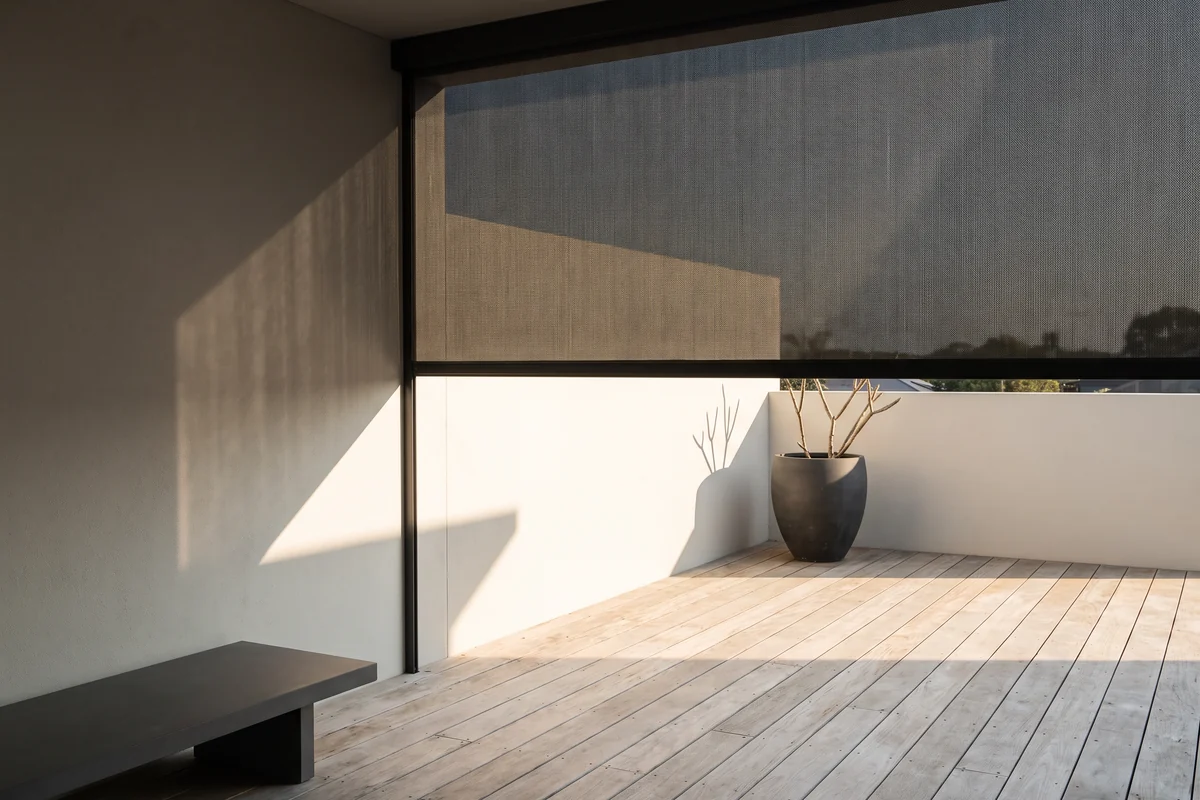 Guides
Do outdoor blinds reduce heat?
The 90% everyone quotes comes from a government shading guide, not a product test. What outdoor blinds actually do about heat, and the wind and rain numbers no competitor prints.
Read more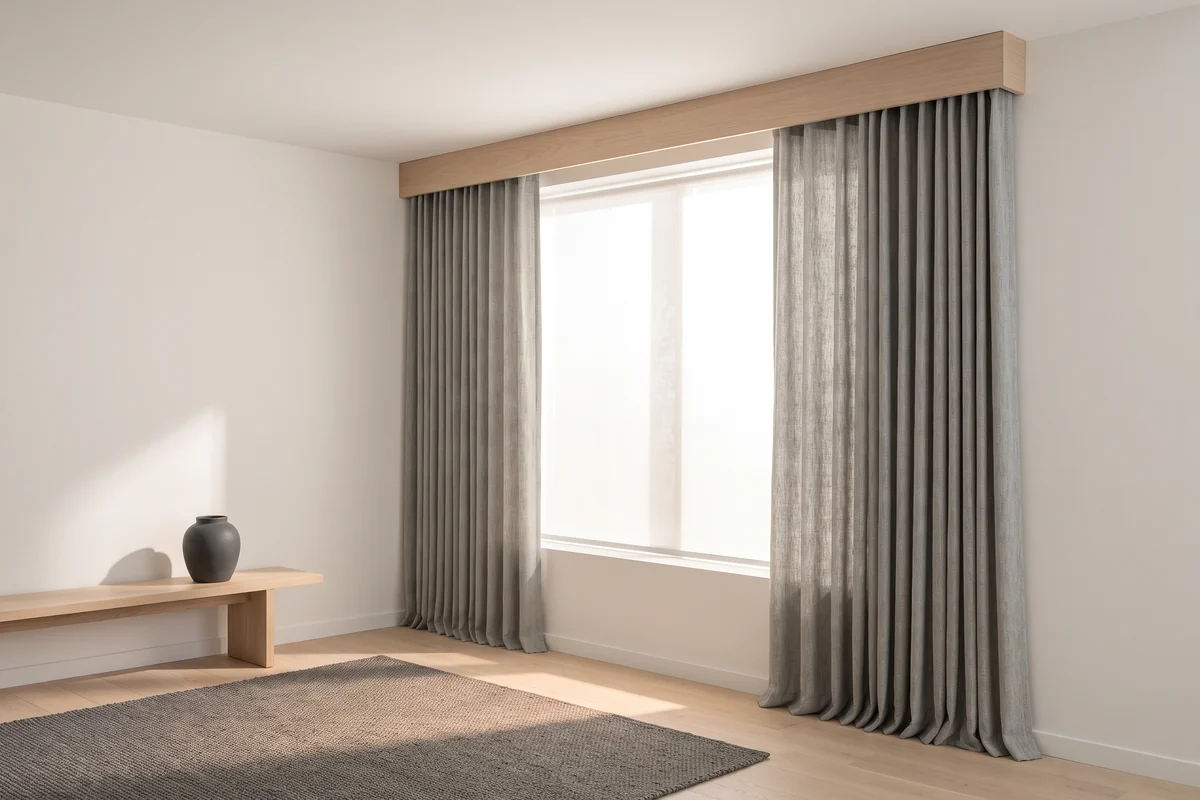 Guides
Do thermal curtains actually work?
Up to 87% of an Australian home's heat arrives through the windows. What the lining actually contributes, why the pelmet matters more than the fabric, and the point at which a curtain is the second-best answer.
Read more