Local conditions
Salt gets into the working parts
It Starts At The Bracket
A house three streets back from the beach breathes the same air as one on the front. Salt travels inland on the sea breeze, and the breeze here is not occasional: the Bureau of Meteorology’s Gold Coast Seaway station records a mean 3pm wind of 23.3 km/h in every month of the year. It settles on everything the air touches, which includes the inside of a window you leave open for it.
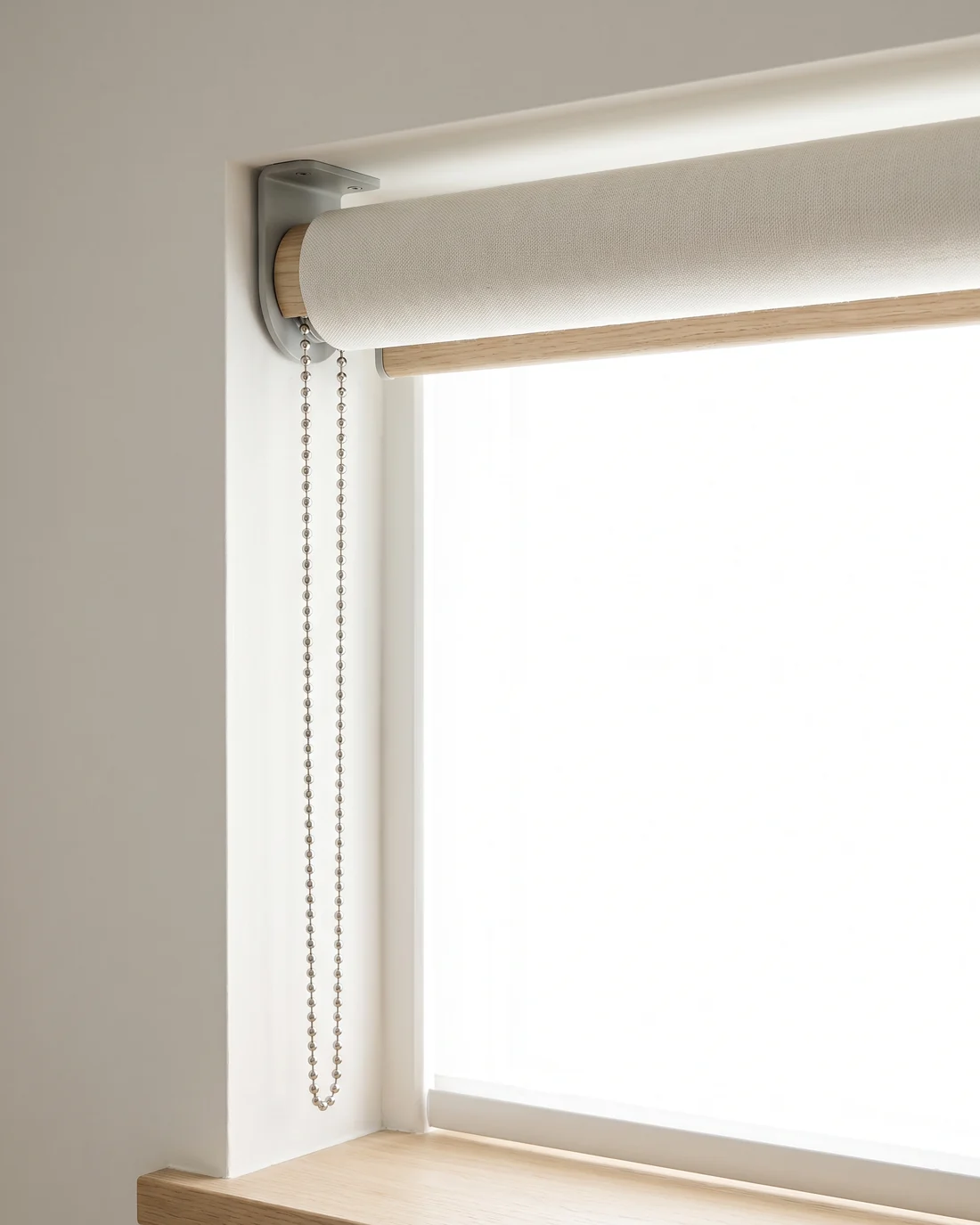
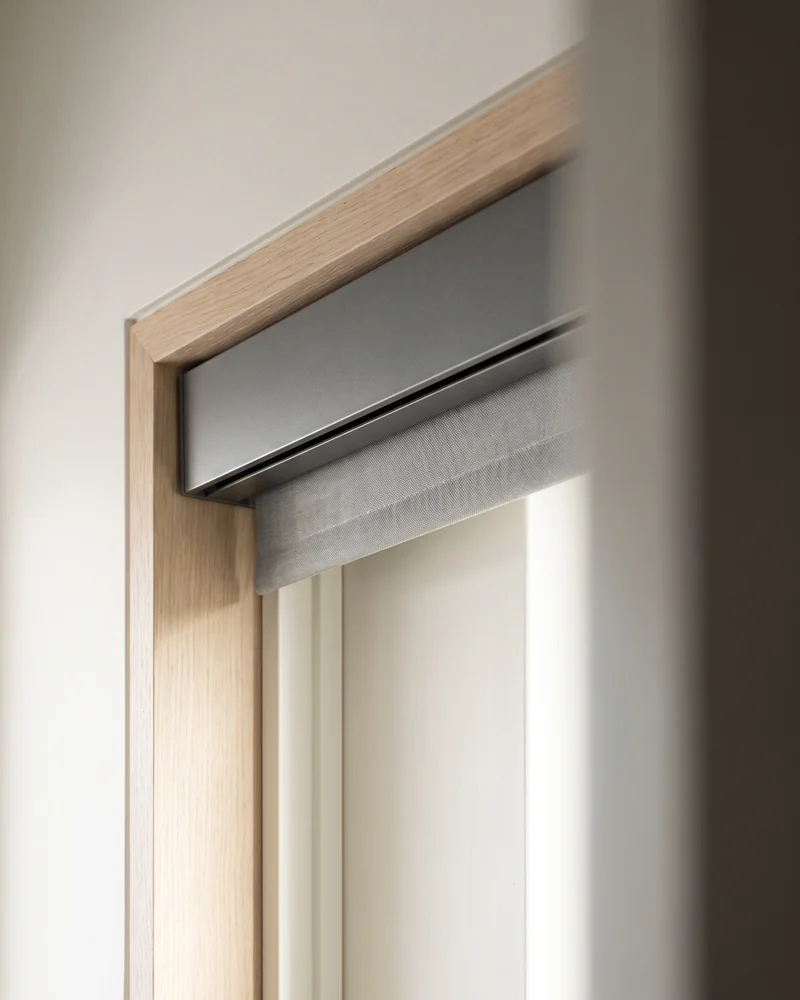
On a roller blind that means the chain, the clutch and the brackets — the parts doing the actual work. Fabric fades and fabric marks, and you can see both happening. A clutch that has been quietly collecting salt for four summers simply gets stiffer, then stiffer again, until the morning it will not hold the blind where you left it. Wiping the bottom rail and the bracket ends when you clean the glass is duller advice than a fabric upgrade, and it does more.
Be clear-eyed about what that means for a warranty. Ours covers our installation workmanship for 12 months and the product for its manufacturer’s term, and it excludes fading, salt-air and moisture damage. That is worth hearing before you order rather than after, because near the water it changes what you should buy: a blind you can get parts for beats a blind with a better brochure.
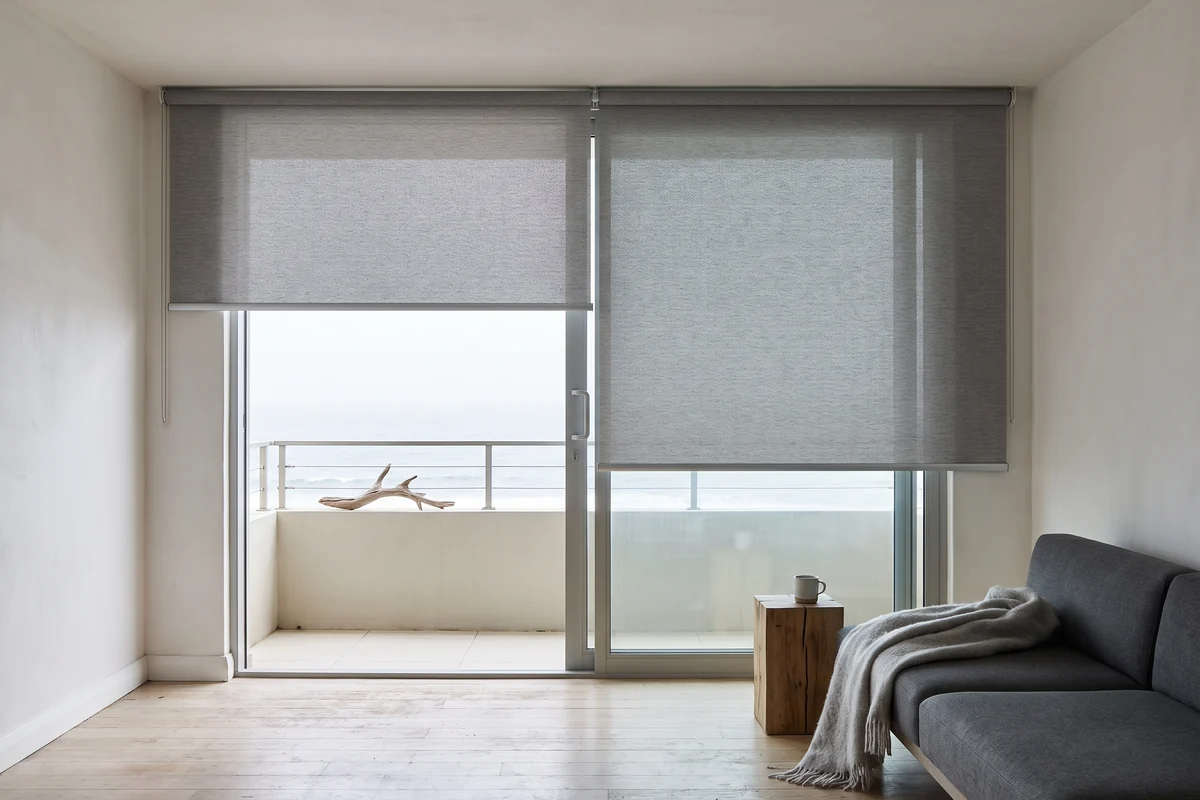
If the unit is let out, add the traffic. A blind in a short stay gets operated by people with no reason to be gentle with it, which is a decision about the mechanism rather than the fabric — the same argument that applies to the rest of the blinds in a Gold Coast apartment. The consolation is that a roller is the simplest thing on the wall to put right: one tube, two brackets, and parts we can still get for a blind we made a decade ago.