Local conditions
Eaves handle noon. They do nothing at four
The West Wall Is Where It Gets In
South-east Queensland builds generous eaves, and they work — against a high northern sun in the middle of the day. By four in the afternoon the sun is low enough to come in underneath them, straight onto the western glass, during exactly the hours the room is being used. That is why a west-facing living room can be the hottest room in a house that is otherwise comfortable, and why the answer is at the window rather than in the ceiling.
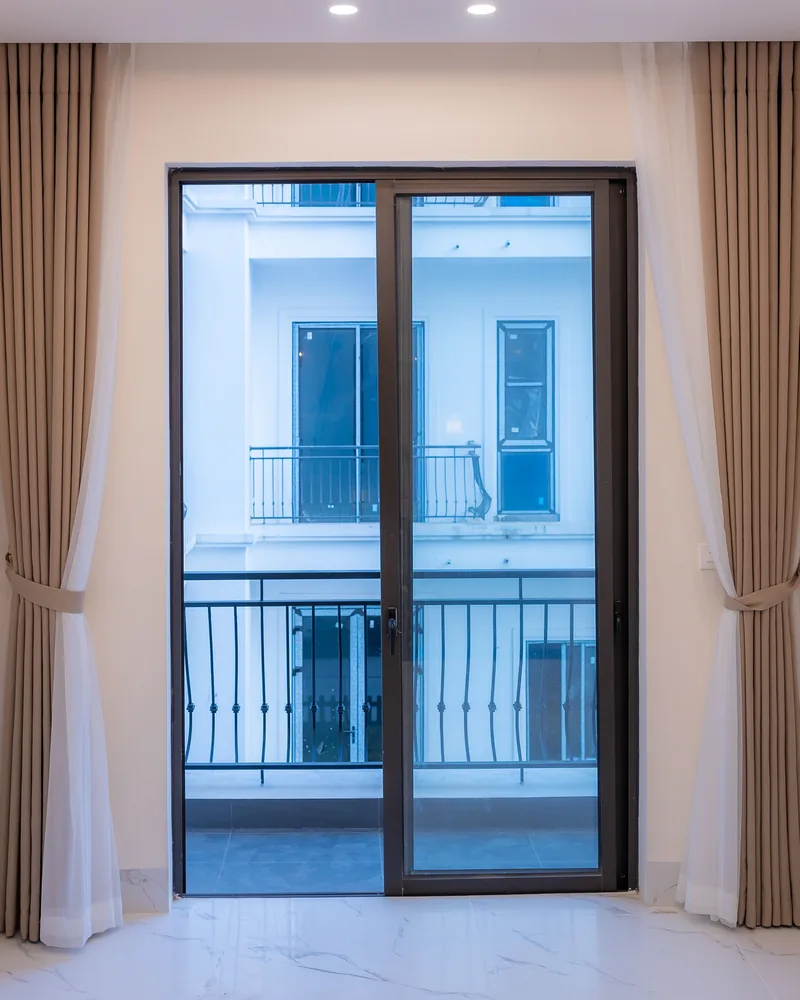
The second-order problem is the glass itself. A lot of the Gold Coast and Brisbane stock we work in is large single-glazed aluminium sliders and floor-to-ceiling apartment glazing. According to the Australian Government's Your Home guide, up to 87% of a home's heating energy can be gained through windows and up to 40% lost through them. Aluminium frames conduct heat as readily as the glass does, so a blind cut to the size of the glass leaves the part still conducting completely uncovered.
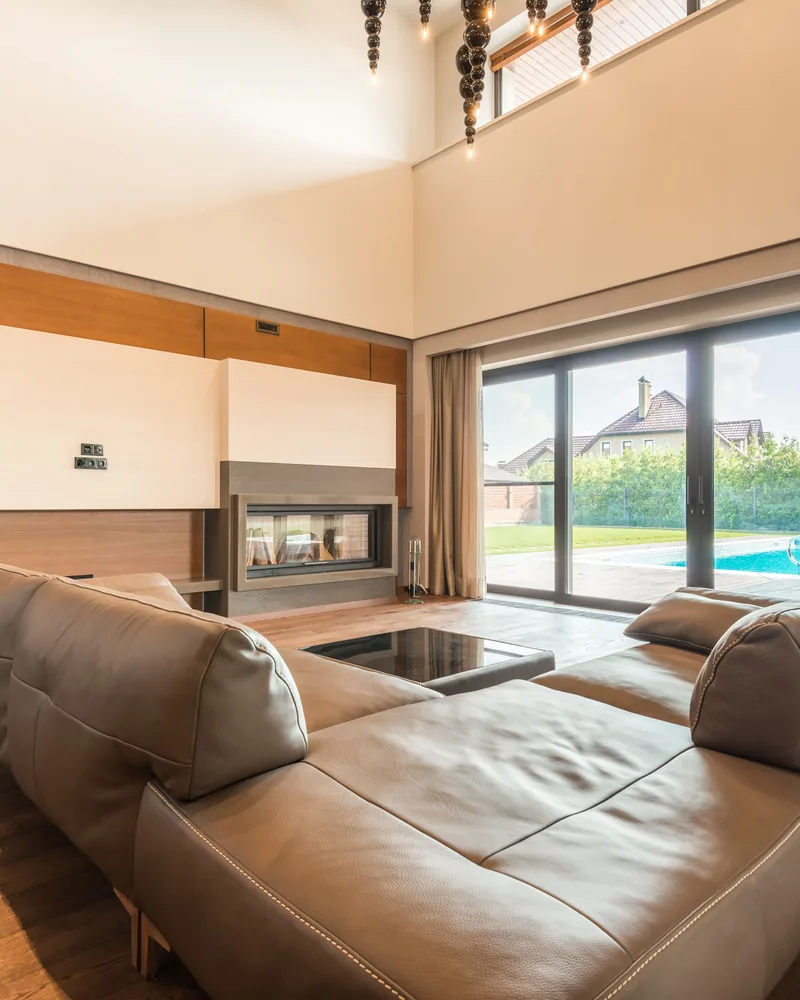
Then there is the constraint nobody writes about. A great deal of the Gold Coast glass that most needs shading sits on apartment balconies, where anything fixed to the outside of the building needs body corporate approval and often does not get it. That is the case where an internal thermal blind stops being the second-best answer and becomes the only one available — and it is worth doing properly, because there is no external option waiting behind it.
Eaves were designed for a sun directly overhead. The one that ruins a west room at four in the afternoon has never read the plans.