Local conditions
Brisbane houses have moved
We Measure The Opening, Not The Plan
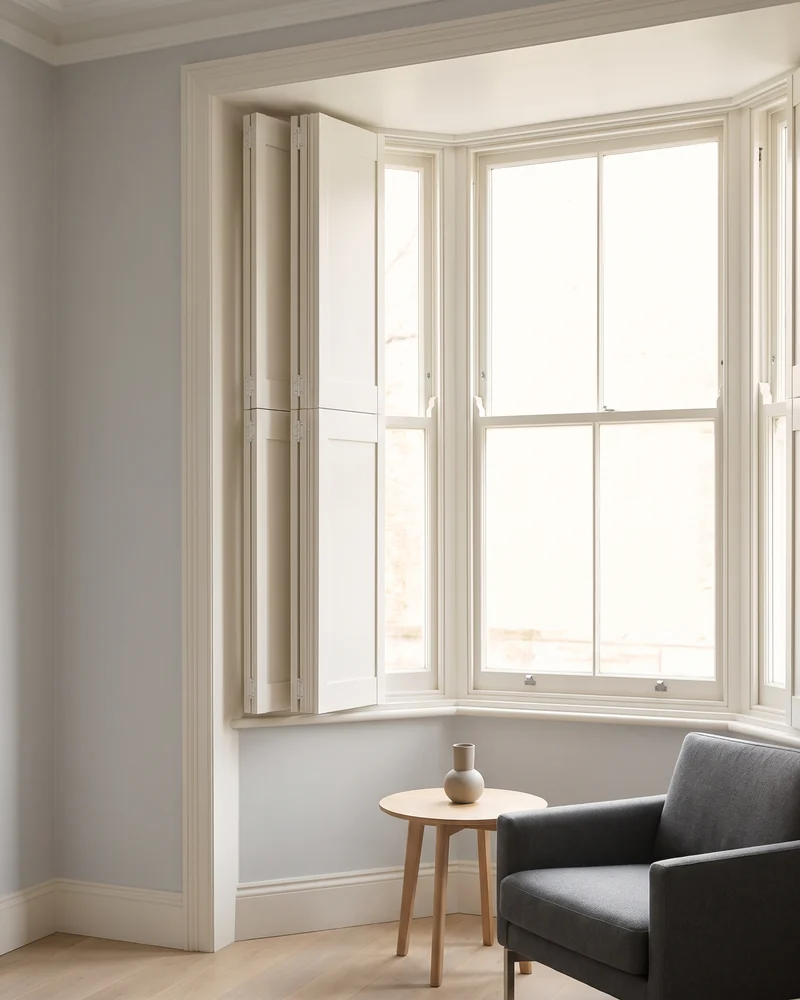
A Queenslander that has been sitting on stumps since the 1920s is not square any more, and neither are most of the post-war cottages in Paddington, Bardon, Ashgrove, Red Hill and Clayfield. Curtains and blinds forgive that. They hang from a track and a few millimetres of lean disappears into the fabric. A shutter is a rigid panel in a rigid frame, so it does the opposite — it reports the error as a wedge of daylight down one stile, wider at the top than the bottom, and you will see it every day for the next twenty years.
That is a measuring and frame problem rather than a product problem. It is settled on site by checking the opening in both diagonals, then choosing a frame that carries the discrepancy instead of a panel that fights it. What it cannot be settled by is a photograph and a phone call, which is how a fair amount of shutter quoting in this city gets done.
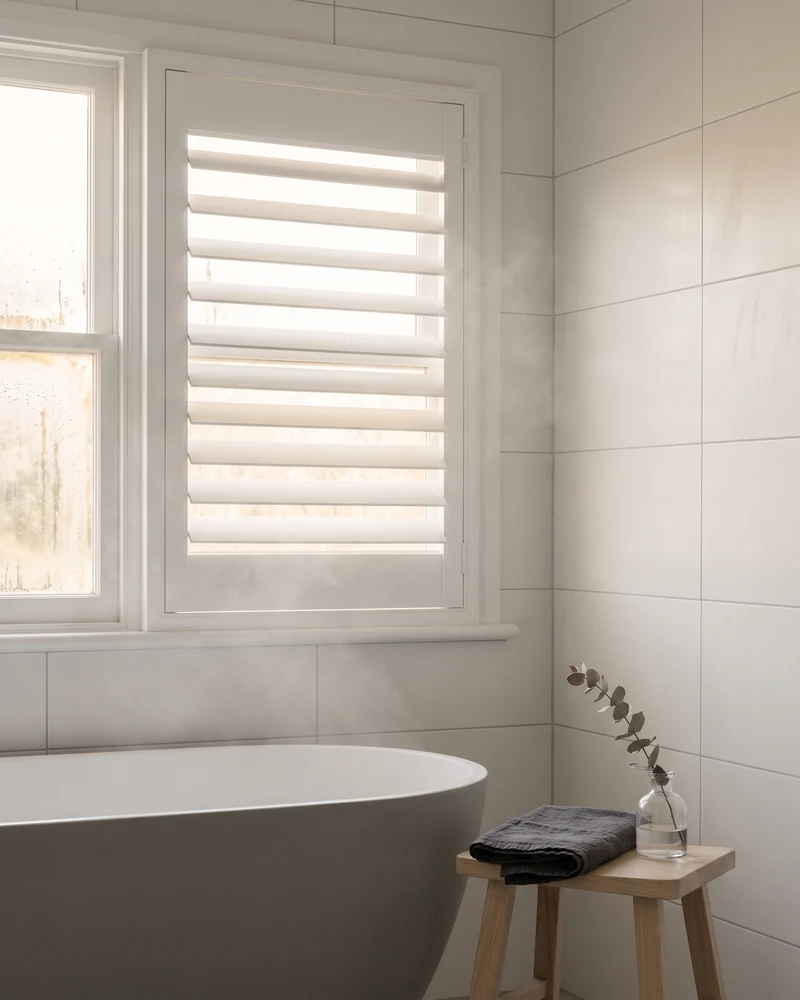
The second thing Brisbane does to shutters is humidity. The Bureau of Meteorology has the city sitting at 9am relative humidity in the seventies for most of the year, and the river suburbs — Chelmer, Graceville, Bulimba, West End — have taken water twice in eleven years. Polymer does not absorb moisture, so it does not swell, split or lose paint adhesion the way a timber louvre does. That is the mechanism, and it is the whole reason we sell one material rather than four.
None of which helps if the opening was measured wrong. The material buys you year eight; the measure buys you week one.