

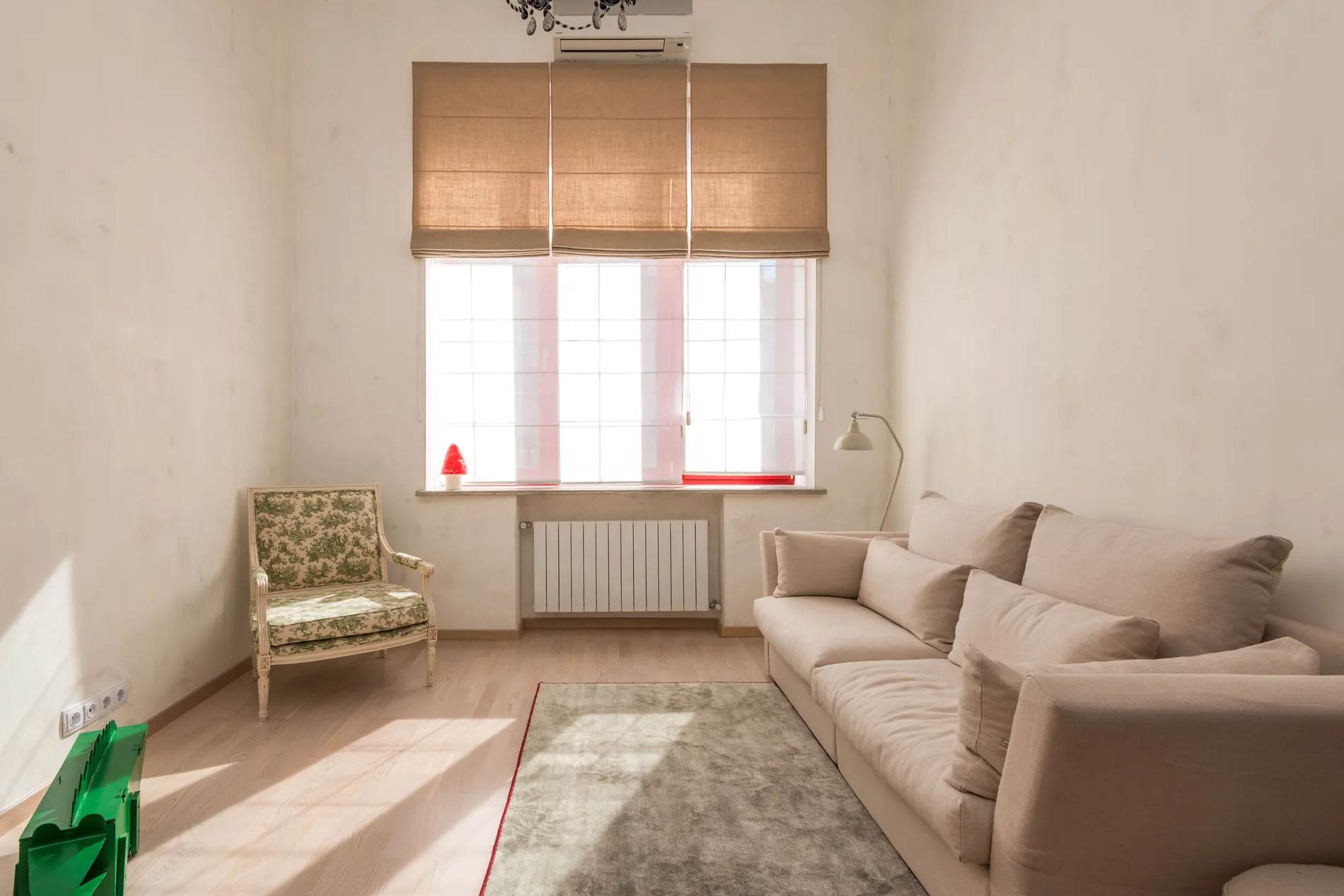
How to clean blinds without wrecking them
Dust weekly, wash rarely, and never soak a blockout roller. A type-by-type guide from the Gold Coast.
How to clean blinds: dust first, wet second. Vacuum the closed blind with a soft brush head, then wipe with a barely damp microfibre cloth, spot-cleaning marks with warm water and a drop of mild detergent. Most blinds that get ruined are ruined by cleaning, not by dirt — soaking, scrubbing and machine washing all do more harm than a year of dust.
One rule above the rest: if the fabric is coated, never let water sit on it.
Almost every guide treats a blind as one product. It isn't. A PVC venetian shrugs off things that would destroy a honeycomb, and the coating on a blockout roller behaves nothing like the timber slat hanging next to it. So this is organised by what yours is made of. Find it in the table, then read that section.
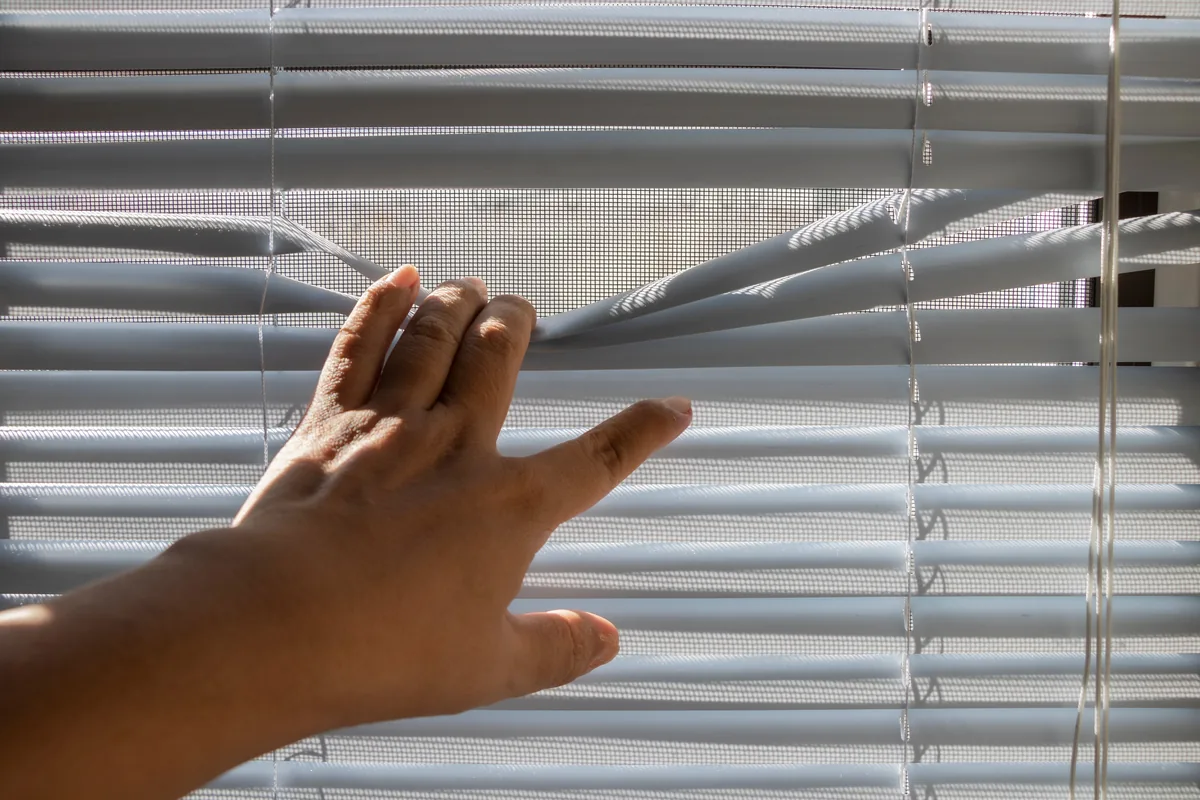
Dust monthly, wash rarely
Dry cleaning comes first, and most of the time it's the only cleaning you need.
- Close it flat. Tilt the slats shut or lower the blind fully, so you're working on one continuous surface.
- Vacuum on low. Soft brush head, top to bottom, then reverse the slats and do the other face.
- Finish by hand. A microfibre glove gets the corners a brush can't reach.
Do that monthly and you'll rarely need the wet clean at all. This matters more than it sounds, because water on a dusty blind doesn't lift the dust — it turns it to slurry and drives it into the weave, and that mark is permanent. Wet-clean once or twice a year, and only after dusting.
Kitchen blinds are the exception. Cooking grease is airborne, settles as a film and collects dust like nothing else in the house, so wipe those every few months whether they look like it or not.
| Blind | Dry clean | Wet clean | Never |
|---|---|---|---|
| Roller / Holland | Vacuum both faces | Spot only, barely damp | Soak it, or roll it up wet |
| Venetian — aluminium, PVC | Brush head, slats closed | Damp cloth, mild detergent | Bend slats hosing them outside |
| Venetian — timber | Brush head, slats closed | Barely damp, dried at once | Leave water on the ends |
| Vertical | Vacuum on the rail | Sponge flat, off the carriers | Machine wash the slats |
| Roman, honeycomb | Vacuum on low | Blot the mark, nothing more | Scrub or press the pleats |
| Outdoor PVC, mesh | Hose off loose grit | Soft brush, mild detergent | Bleach or a pressure washer |
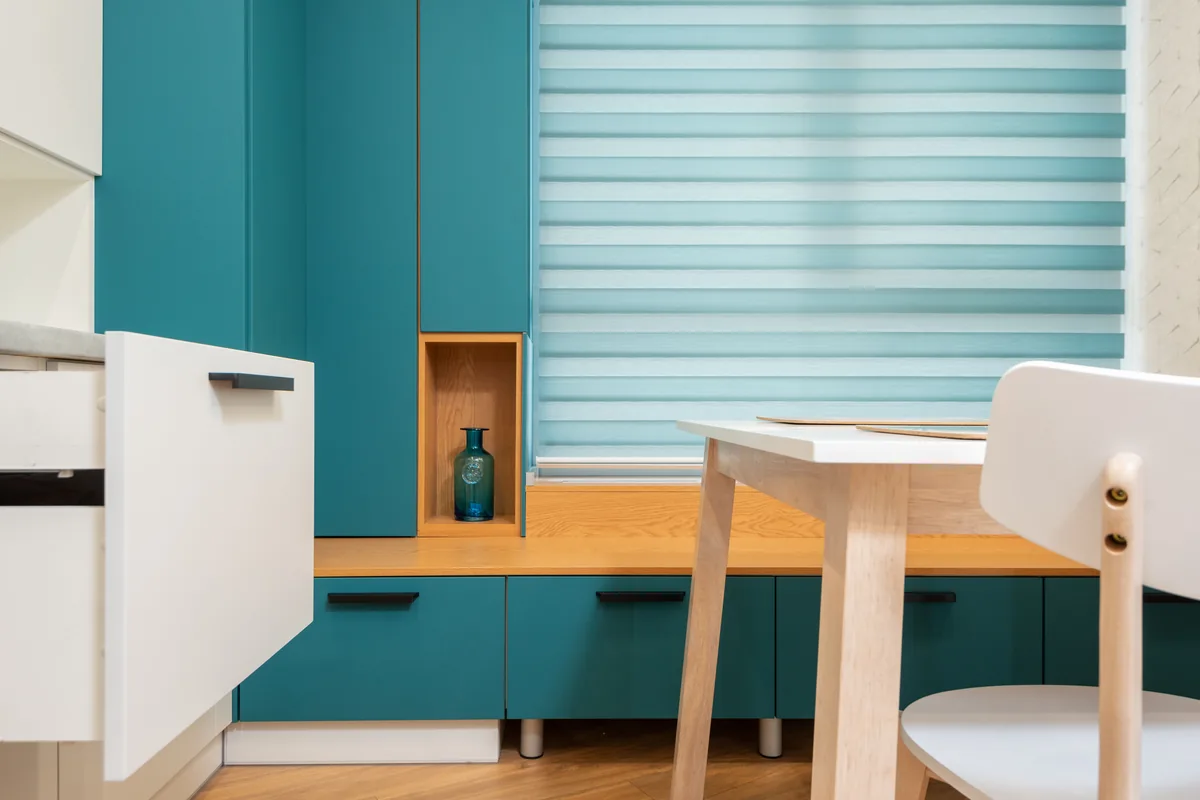
Roller blinds: spot clean, never soak
Lower the blind fully so the whole face is flat, vacuum it, then work on marks individually — a barely damp cloth, wiping outward from the stain so you don't leave a tide line. Let it dry all the way down before you roll it back up.
That last instruction is the one people skip, and it's how mould starts: rolling a damp blind traps moisture between the layers with no airflow. The other rule is not to soak the fabric. Blockout roller blinds are coated rather than woven solid, and water that gets behind the coating lifts and crazes it. You won't see it that day. You'll see it in six months as a fine map of cracks across the bottom third.
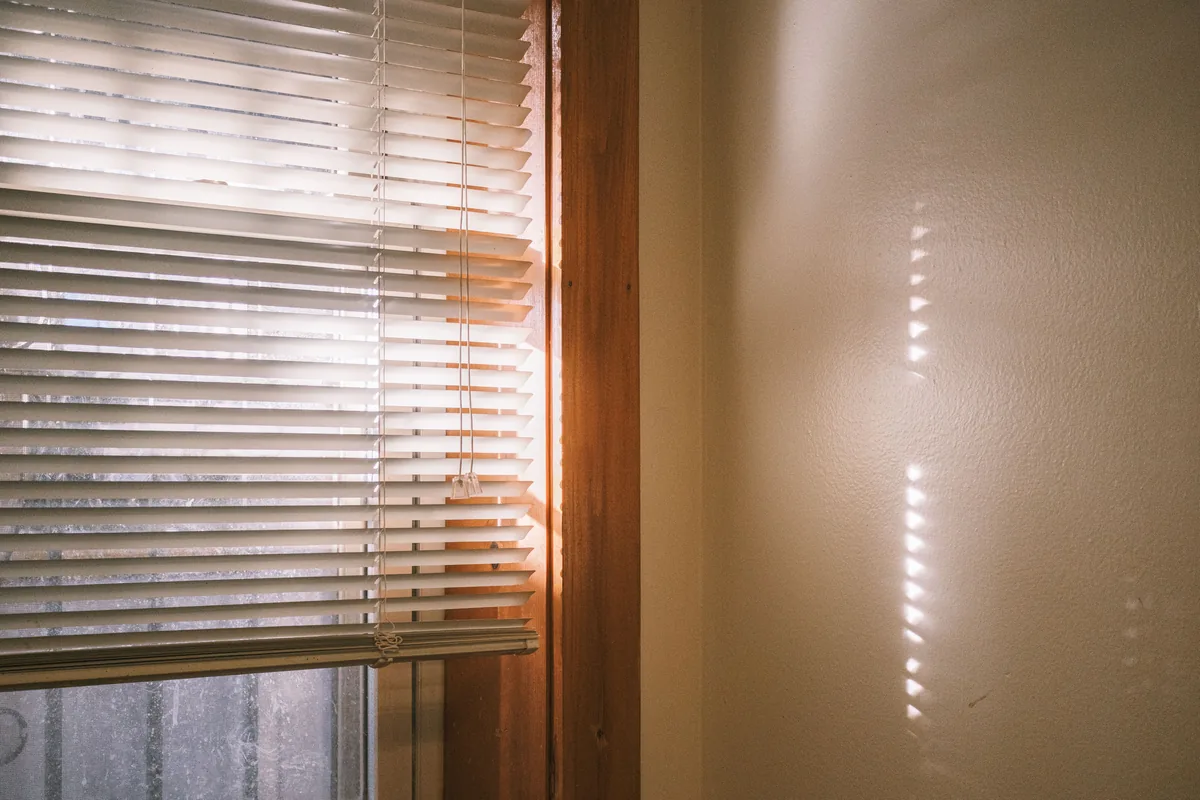
Venetians: it's all in the slats
Tilt the slats closed one way, wipe the full run top to bottom, tilt them closed the other way, wipe again. Two passes and you've done both faces without touching a slat individually.
Aluminium and PVC will take a damp cloth and a mild detergent quite happily. Timber won't. Treat timber venetians like furniture — barely damp, dried immediately, and never any water left sitting at the cut ends or in the ladder tape, because that's where it soaks in, swells the timber and lifts the finish.
You can take venetians down to clean them, and people do. I'd rather you didn't. Slats bend when they're handled off the headrail, and the cords are the part that fails — worth remembering that corded blinds carry a mandatory Australian safety standard for exactly that reason. Clean them where they hang.

Vertical blinds: take the slats down, not the headrail
Unhook the bottom chain, unclip each slat from its carrier and lay them flat on a towel. Sponge them there, one face then the other, and hang them to dry fully before clipping them back. It's tedious and it's the only method that gets a fabric vertical properly clean.
Do not put them in the washing machine. Fabric vertical blind slats are stiffened and heat-set so they hang dead straight; a wash cycle relaxes both and they come out wavy, permanently. While the slats are off, vacuum the carriers along the headrail. Dust in the carriers is the usual reason a set of verticals stops turning in unison, and nobody ever thinks to look there.
Roman and honeycomb blinds: blot, don't rub
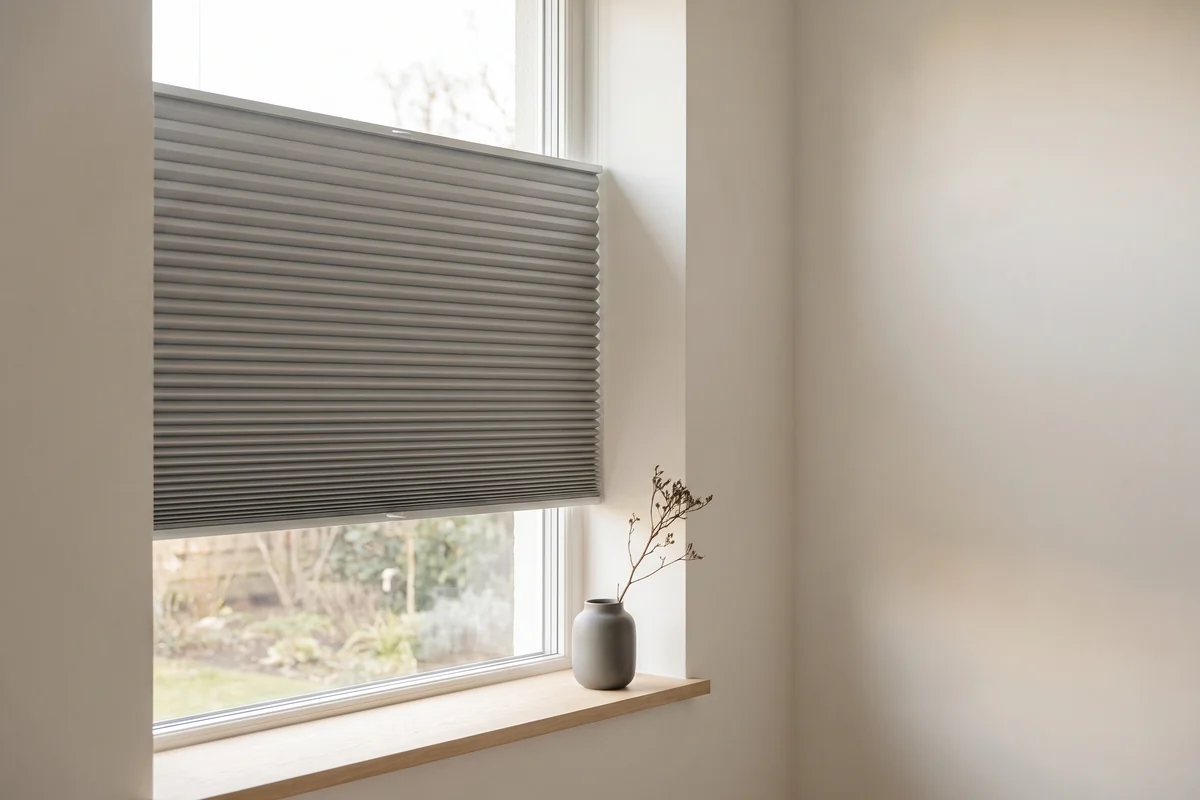
These are the ones to be gentlest with. Vacuum on the lowest setting with the brush head, and treat any mark by blotting with a damp cloth rather than rubbing — rubbing spreads the stain and fluffs the fibres so the patch stays visible after it dries.
With Roman blinds, keep water away from the batten pockets; the rods inside are what hold the folds square. With honeycomb, never scrub or squeeze. Crush a cell and it doesn't spring back — the pleat is the product. A hairdryer on cool, blown through the cells, shifts dust that a brush can't reach.

Outdoor blinds and the mould question
This is the one we're actually asked about on the Gold Coast, and the top-ranking guides don't cover it at all. Mild detergent, a soft brush, a thorough rinse, then dry them fully open. What you avoid is bleach and pressure washers: bleach strips the plasticiser out of PVC and leaves it brittle and yellow, and a pressure washer forces water into the seams and will cut stitching.
The harder truth is that mould on a blind is a ventilation problem wearing a costume. Clean it off and leave the conditions alone and it's back within the season. That's not a stretch here — Bureau of Meteorology averages for the Gold Coast Seaway put mean 9am humidity at 65% or higher for nine months of the year. Mould needs damp, still air and a surface, and managing the moisture and the airflow is the part that actually fixes it. Roll outdoor blinds up wet after a storm and you've built the ideal conditions yourself.
Cleaned it and it still looks tired?
Fabric that's gone brittle, chalky or permanently marked has reached the end of a normal life, and no method brings it back. We'll measure and quote a replacement, and tell you honestly if you don't need one yet.
Frequently asked questions
How often should you clean blinds?
Dust them monthly and wet-clean once or twice a year. Kitchen and bathroom blinds need the wet clean more often because grease and moisture both build a film that traps dust. Dusting is the part that matters — keep that up and the wet clean stays easy.
Can you put blinds in the washing machine?
No. Fabric vertical slats are stiffened and heat-set, and a wash cycle relaxes both so they hang wavy afterwards. Roller fabric can delaminate, and Roman blinds have rods and batten pockets sewn in. Sponge them flat instead.
How do you clean mould off blinds?
Mild detergent and a soft brush, rinsed thoroughly and dried fully open. Skip the bleach — it removes the stain rather than the mould, and on PVC it strips the plasticiser and leaves the fabric brittle. Then deal with the ventilation, or it returns.
How do you clean blinds without taking them down?
For almost everything except fabric verticals, in place is the right way. Close the slats or lower the blind flat, vacuum with a brush head, then spot-clean with a barely damp cloth. Taking blinds down is where slats get bent and cords get damaged.
Can you remove venetian blinds for cleaning?
You can — most headrails release from their brackets with a clip or a tab. I'd avoid it. Slats bend easily once the blind is off the window, and hosing them down outside rarely goes as well as people expect. Two passes with the slats tilted closed does the same job.
When is a blind past cleaning?
When the damage is in the material rather than on it. Chalky or brittle PVC, a blockout coating that has crazed, fabric that has gone brittle with UV, or mould that has rooted into a weave rather than sitting on the surface — none of that comes back, and it's time to replace rather than keep scrubbing.
Sources Australian Government Your Home — Glazing · ACCC blinds and window fittings mandatory standard · Sleep Health Foundation
Back to the journalKeep reading
Related from the journal
 Blinds
Roller blinds, Brisbane & Gold Coast
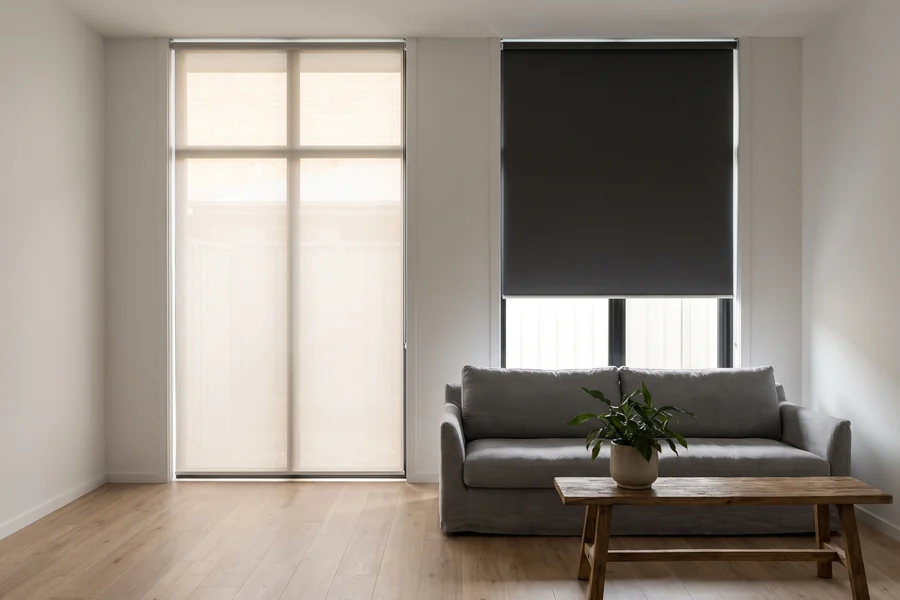
Spot-clean them and they last. Dual sunscreen and blockout systems, and the coated fabrics that will not tolerate a soak.
Read more Blinds
Vertical blinds
The slats you unclip to wash, and never machine wash. Where verticals still beat every other blind on a wide sliding door.
Read more Outdoor
Outdoor blinds, Gold Coast
Zip track, roller and awning styles built for salt air and humidity — the ones that need the mould routine most.
Read more